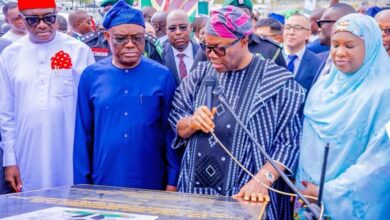
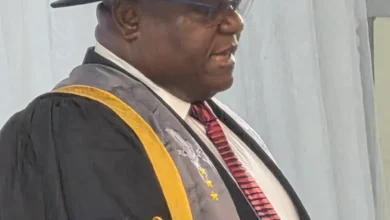
In politics, power often reveals itself in grand speeches, decisive policies, and electoral victories. But sometimes, true leadership is measured in quieter, more human moments—moments of loss, loyalty, and presence.
The passing of Senator Barinada Mpigi has offered such a moment, and in it, Nyesom Wike has demonstrated a side of leadership that is both rare and deeply instructive.
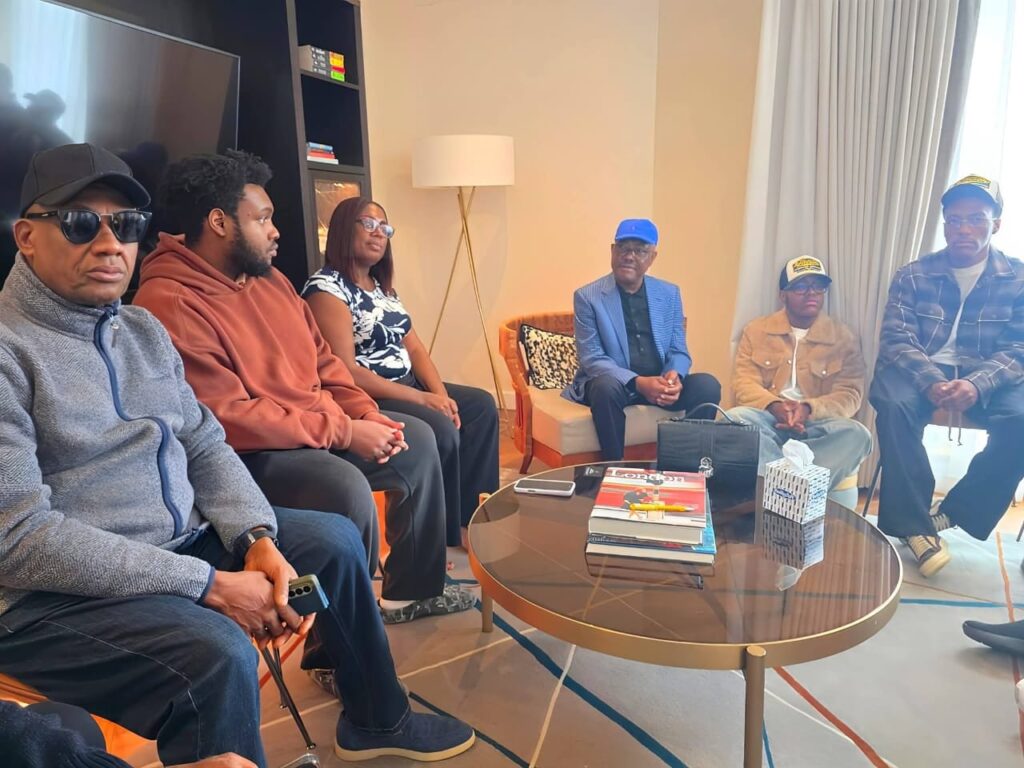
From Abuja to London and back, Wike did not merely send condolences. He showed up. Leading a strong Rivers State delegation to London to commiserate with Mpigi’s family, and later returning to Nigeria to personally receive the remains of his late ally, the FCT Minister demonstrated profound act of loyalty.
In an era where many leaders outsource empathy, Wike chose proximity.
There is a famous line often attributed to American leadership culture: “People don’t care how much you know until they know how much you care.” It is a sentiment echoed by Theodore Roosevelt, and it finds clear expression in Wike’s actions. By standing with Mpigi’s family in their moment of grief, Wike underscored a simple but powerful truth: leadership is about sustaining relationships.
History is rich with examples of leaders whose greatest strength lay in their humanity. When Nelson Mandela emerged from prison after 27 years, he did not merely lead South Africa politically; he led it emotionally—embracing former adversaries, attending funerals, and connecting personally with citizens across divides. Mandela once said, “A good leader can engage in a debate frankly and thoroughly, knowing that at the end he and the other side must be closer.” That closeness often begins with empathy.
Wike’s gesture also calls to mind the leadership philosophy of Jacinda Ardern, former Prime Minister of New Zealand, who became globally admired for her response to the Christchurch tragedy. Her presence among grieving families, dressed in humility and solidarity, conveyed a message no policy speech could match. “They are us,” she declared—collapsing the distance between leader and people.
In Nigeria’s often transactional political culture, such demonstrations of loyalty are not just symbolic; they are strategic in the deepest sense. They build trust, forge enduring alliances, and create a sense of belonging that no amount of patronage can replicate. It is perhaps this quality that explains Wike’s enduring influence and what many describe as his almost cult-like following.
An aide close to the Rivers political circle, reflecting on Wike’s actions, noted quietly: “Oga no dey forget his people. Whether you are alive or gone, he stands by you.” That sentiment, simple as it sounds, captures the essence of a leadership style rooted in personal commitment.
Even Winston Churchill, known more for wartime resolve than tenderness, understood the value of loyalty. “We shall prove ourselves once again able to defend our island home,” he declared during Britain’s darkest hour—but behind that defiance was an unwavering commitment to his people, living and fallen alike.
By honouring Mpigi in life’s final chapter with such presence and dignity, Wike has offered a reminder that leadership is not only about how one governs, but how one stands by others when it matters most.

In the end, titles confer authority, but it is loyalty—demonstrated in moments like this—that confers legacy.