By Nathaniel Zacchaeus, Abuja
The Chairman of the Senate Committee on Finance, Senator Sani Musa, has stressed the urgent need for the Bretton Woods institutions to recalibrate their support for domestic-led, inclusive growth strategies—particularly in the face of mounting debt, global trade tensions, and rising insecurity ravaging third-world nations.
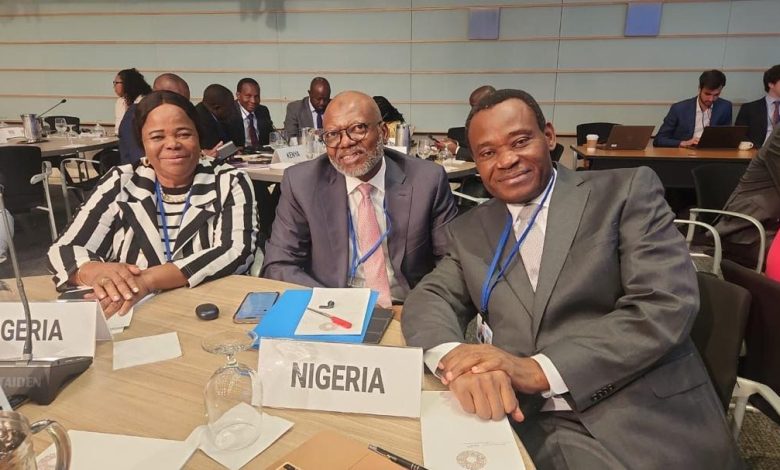
He stated this at a high-level session of the ongoing Spring Meetings of the International Monetary Fund (IMF) and the World Bank Group in Washington, D.C.
Yesterday, a statement from his Media Office explained that the Senator spoke before a panel of parliamentarians, global finance leaders, policymakers, and development partners.
According to the statement, Musa emphasized that the economic fragility confronting many developing nations cannot be addressed through conventional austerity or external dependency.
He said, “We must look inward to build economic resilience. This means harnessing local industries, empowering youth through skills and innovation, and prioritising domestic value chains over raw exports.”
Musa further outlined a practical roadmap for strengthening the IMF and the World Bank’s support, especially in a promising economy like Nigeria’s.
He advocated shifting away from austerity to home-grown growth-based reforms, especially those that support job creation, local enterprise, infrastructure, and agricultural transformation.
He tasked the Bretton Woods institutions and other development partners to provide debt relief with investment-linked safeguards.
He also sought support for enabling developing countries to reinvest in productive sectors and human capital.
He urged global institutions to create access to green and climate finance, enabling African countries to create jobs while addressing climate vulnerability.
He re-emphasized the need to promote domestic resource mobilization through tax reform, anti-corruption support, and better fiscal governance.
Musa further called for national Parliaments and civil society involvement to improve ownership, transparency, and policy alignment with local needs.
Musa stressed that international financial institutions must become partners in resilience, not just crisis managers, amid ongoing global uncertainty, including geopolitical instability, trade tariffs, and inflationary pressure.
He said, “It is time for a development model that reflects national priorities, supports local innovation, and gives citizens a real stake in economic progress.”
According to the statement, the senator’s intervention was well-received and sparked discussions on rethinking the role of multilateral institutions in post-crisis recovery and inclusive development.