By Chukwudi Obasi
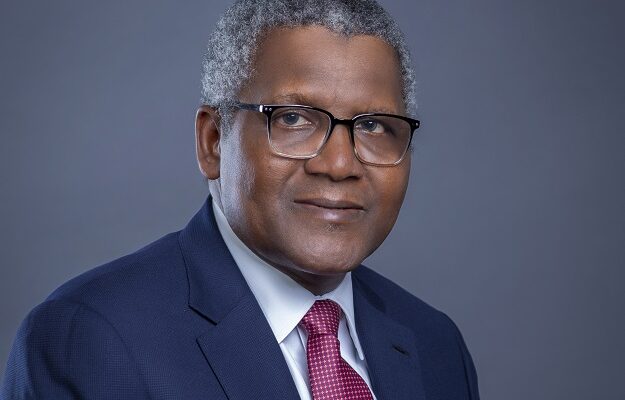
The House of Representatives has launched an emergency intervention to contain the escalating dispute between the Dangote Group and the Nigerian Midstream and Downstream Petroleum Regulatory Authority (NMDPRA), amid concerns that the standoff could destabilise Nigeria’s downstream petroleum sector.
Acting through its Joint Committee on Petroleum Resources (Downstream and Midstream), the House summoned both parties to appear before it, directing them to submit all grievances, allegations and counter-claims for legislative review.
The committee also ordered an immediate halt to public accusations and media exchanges pending the outcome of its intervention.
Chairman of the joint committee, Ikenga Imo Ugochinyere, said the lawmakers were compelled to act swiftly following what he described as renewed tension capable of undermining the fragile stability recently achieved in the sector, especially in the post-fuel subsidy era.
“The emergency meeting was necessitated by the growing tension in the downstream sector arising from concerns and allegations raised by Alhaji Aliko Dangote against the NMDPRA,” Ugochinyere said. “This is coming at a time when the committee is determined to safeguard the stability already achieved.”
He explained that the committee resolved to formally invite the President of the Dangote Group, Alhaji Aliko Dangote, and the leadership of the NMDPRA to appear before it and provide detailed explanations on the issues fuelling the dispute, with a view to reaching lasting resolutions within days.
According to him, a clear understanding of the underlying issues is essential for the National Assembly to intervene effectively and without bias.
“We can only arrive at sustainable solutions when we identify the real issues driving these allegations and counter-allegations. That is why the committee resolved to hear directly from both the Dangote Group and the NMDPRA leadership,” he said.
In a bid to de-escalate tensions, the committee appealed to both sides to suspend further public commentary while the legislative process is ongoing.
“We have pleaded with the contending parties to cease fire, especially in the media, so that the situation does not escalate further,” Ugochinyere said, adding that the committee has the capacity to resolve the matter conclusively.
He disclosed that the committee had already received petitions raising broader industry concerns, including the issuance of petroleum import licences and the capacity of domestic refineries to meet Nigeria’s daily fuel demand.
“These are critical issues touching on import licences and local refining capacity. The committee’s investigation will address them comprehensively,” he said.
Ugochinyere assured that all outstanding matters would be thoroughly examined when key stakeholders in the refining and regulatory space appear before the lawmakers.
“By the time Alhaji Aliko Dangote, the NMDPRA and other stakeholders meet with us, we will get the full picture of what is happening and come up with resolutions that provide sustainable solutions for the sector,” he said.
The intervention follows heightened public scrutiny of the downstream petroleum industry after Dangote, during a media briefing at the Dangote Petroleum Refinery and Fertiliser Plant in Lekki, Lagos, accused the NMDPRA’s Chief Executive Officer, Farouk Ahmed, of corruption.
Dangote alleged that the regulator’s chief spent about $5 million on secondary school education for his children in Switzerland, an amount he claimed was inconsistent with a public servant’s income and detrimental to public trust in regulatory institutions.
As of the time of filing this report, the NMDPRA had not issued an official response to the allegation.
The House committee, however, urged restraint, stressing that all issues would be addressed through its legislative intervention in the national interest.