By Francis Ajuonuma
The Securities and Exchange Commission (SEC) and the Association of Issuing Houses of Nigeria (AIHN) have called for wider access to capital market investments and financing, stressing the need to deepen participation, strengthen investor protection and expand funding options for businesses.
The call was made at the AIHN’s 30th anniversary symposium in Lagos, themed, “30 Years of Promoting Trust, Integrity and Excellence in the Nigerian Capital Market.”
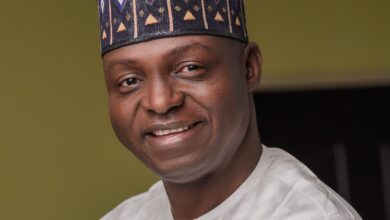
SEC Director-General, Emomotimi Agama, said the success of the capital market should no longer be measured solely by market indices, but by the number of Nigerians able to invest, build wealth and benefit from its opportunities.
“Protection without access is a locked gate. We must deliver both,” Agama said.
He said the Nigerian market had evolved from a largely paper-based system into a broader financial ecosystem comprising exchanges, clearing and settlement infrastructure, fund managers, pension funds, insurers and retail investors.
Agama identified stronger investor protection rules, the demutualisation of the Nigerian Exchange and the growth of bond and fund markets as key reforms that had strengthened the market.
He said the Investments and Securities Act 2025 had provided a new statutory foundation for the sector, while technology, sustainable finance and cross-border integration would shape its next phase.
According to him, tokenisation, digital assets, open data and artificial intelligence were already transforming the issuance, trading, settlement and supervision of securities.
He said wider participation would require simpler onboarding processes, digital Know Your Customer procedures, affordable investment products and financial literacy initiatives targeted at students, women and young people.
Agama also called for stronger enforcement against fraud, Ponzi schemes and unregistered operators, while urging market participants to create financing pathways for small and medium-sized enterprises through patient capital, crowdfunding and appropriately structured listing options.
He said the capital market could also provide long-term financing for infrastructure, including roads, power, housing and ports.
AIHN President, Kemi Awodein, said issuing houses had played a major role in mobilising long-term capital through public offerings, rights issues, debt issuances, mergers and acquisitions and other transactions.
“Through capital market transactions, members of this association have helped businesses grow, developed wealth-creation opportunities, and facilitated financing for critical sectors of the economy,” she said.
Awodein called for greater access to capital for SMEs, infrastructure and emerging sectors, while urging the industry to embrace digital transformation, fintech, sustainable finance and AI without compromising transparency and professionalism.
Speaking on the future of the market, Group Managing Director of Afrinvest West Africa Limited, Ike Chioke, said regulatory reforms remained critical to sustaining its development.
He urged greater collaboration among stakeholders to ensure that regulation kept pace with technological and market innovations.
Other speakers, including Ozofu ‘Latunde Ogiemudia of Udo Udoma & Belo-Osagie and FundQuest Financial Services CEO Abiodun Akinjayeju, called for faster regulatory adaptation and stronger capital requirements for market operators to improve resilience and support investment in technology.