By Chukwudi Obasi, Abuja
Federal lawmakers have called for the inclusion of local contractors in Nigeria’s construction industry.
They said more opportunities must be made available to them to boost national development.
The legislators made the call yesterday at a summit in Abuja organised by the Senate and House of Representatives Committee on Works.
The summit’s theme was “Empowering Local Contractors for National Development: Bridging Gaps and Building Partnerships.”
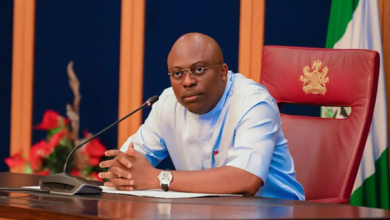
Addressing participants at the event, Barinada Mpigi, chairman of the Senate Committee on Works, emphasized the importance of empowering Indigenous contractors.
He highlighted local contractors’ challenges, including limited financing, inadequate equipment, and insecurity.
The Senator suggested innovative solutions like tokenization of assets and tax credits to bridge the financial gap.
He further lamented that indigenous contractors have not been given opportunities in the nation’s infrastructural sector over the years.
He said, “Our local contractors face significant challenges that hinder their potential to contribute to national goals. Challenges such as limited access to long-term financing, inadequate equipment, lack of insurance facilities, and insecurity issues have long been obstacles to their growth and success.
“Globally, other nations have implemented strategic measures to support their local contractors. These countries have recognised the importance of providing practical solutions to empower local businesses, from government financing and public-private partnerships to streamlined procurement processes.
“We must follow suit by promoting fair procurement processes, engaging with local communities, and prioritising environmental sustainability, ensuring that our infrastructure projects are built with the future in mind.”
Senator Mpigi urged the Securities and Exchange Commission to explore innovative approaches, such as asset tokenisation, to bridge the financial gap between local contractors and their foreign counterparts.
“This process allows local contractors to convert their assets into digital tokens, facilitating access to funds from a broader pool of investors. By unlocking these new financing opportunities, tokenization can empower local contractors to raise capital, enable fractional ownership, and improve liquidity in the sector.
“The Federal Inland Revenue Service can play a crucial role in supporting our local contractors by introducing easier access to tax credits, easing their financial burden. Such incentives can encourage investment in the sector, providing them with much-needed relief and fostering growth,” he added.
Also speaking, Akin Alabi, Chairman of the House Committee on Works, stressed the need for partnerships that prioritise local contractors.
“Today, we gather with a shared purpose to strengthen the bridges between the government, stakeholders, and our local contractors and construction companies, fostering partnerships that will empower our indigenous industries and transform our country’s infrastructure.
“Nigeria has a diverse landscape with immense growth and development potential. However, we need an approach that maximises local resources, skills, and talents to unlock these potentials truly. It is time to make the call to embrace our local contractors as stakeholders and partners in our journey to national development.
“We need a construction industry driven by local content, benefitting our people and fortifying our economy. Today’s summit provides an opportunity to address challenges, explore solutions, and deepen collaborations between indigenous contractors, construction companies, and key policymakers,” he said.
In her goodwill message at the summit, Margaret Oguntala, President of the Nigerian Society of Engineers, highlighted the importance of collaboration among the various stakeholders in the country’s infrastructural sector.
Represented by Kam-Salem Bukar, the President of the Association of Consulting Engineering in Nigeria, the President of NSE called attention to the principles of Executive Order 5, signed by former President Muhammadu Buhari.
“As policymakers, legislatures are tasked with crafting laws that empower local content and infrastructure initiatives. By reinforcing the principles of Executive Order 5, they can ensure that Ministries, Departments, and Agencies prioritise Nigerian professionals and resources in public procurement,” she said.
In addition to local contractors, the NSE President identified professional consulting engineers and engineering regulatory bodies as important partners with significant input into the infrastructural arena.
Oguntala, while commending the event’s organizers, called for regular dialogue, training, capacity building, and regulatory oversight to promote Nigeria’s infrastructural development.
The summit aimed to address challenges, explore solutions, and deepen collaborations between indigenous contractors, construction companies, and policymakers.