By Francis Ajuonuma with agency report
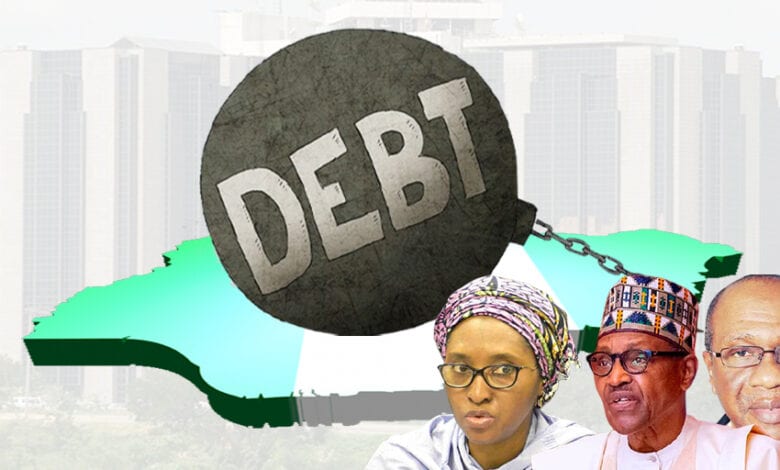
Nigeria and other heavily indebted developing countries have been warned that it could take many more years before they could achieve any substantive reduction in their debts.
World Bank chief economist, Carmen Reinhart, who returns to Harvard University tomorrow after a two-year public service leave, gave the warning in an interview she had with Reuters yesterday.
Reinhart emphasised that the economic woes facing Sri Lanka were just the tip of the iceberg and more countries would likely join its ranks.
“Be prepared for the long haul.
“My fear – but I think it’s fear founded on the basis of the historical experience – is that to have a comprehensive approach that actually delivers substantive debt reduction will take a long while. Years,” she said, noting that the historical average was around eight years.
Reinhart said Sri Lanka’s woes reflected the balled force of a currency crisis, high inflation, a collapse in output, financial strains and a debt crisis, but other countries were also facing major problems.
Voters’ apathy: Report reveals 40% of Nigerians believe elections are fraudulent
“There are more Sri Lankas on the way. You have countries like Myanmar, Laos. These are not major players in global markets, but they are falling,” she said, noting that others, including Ghana and Egypt, were facing significant shocks as a result of the war in Ukraine and surging food and energy prices.
“There are a lot of countries in precarious situations,” Reinhart added.
She explained that the Common Framework for debt treatments agreed to by the Group of 20 major economies and the Paris Club of official creditors in October 2020 had proven to be a disappointment, resulting in not even a single debt restructuring since its launch in October 2020.
“The historical experience has been like pulling teeth, and slow moving at that,” she said. “Every creditor has for their own reasons engaged in foot dragging. China and private creditors have their own incentives to delay.”
Reinhart downplayed the prospects for any significant change in the approach of advanced economies to the mounting issues facing the developing world, including the snowballing impact of the COVID-19 pandemic on learning outcomes and poverty rates.
“This ain’t going away quickly. Everyone is preoccupied with their own problems. There’s a tendency to focus on the domestic issues and everything else goes on the back burner,” she said.
“I hate to be like a wet rag, but I do think things will get worse before they get better. We’re still trying to sort out what the new normal is,” she said. “My sense is that we will see more difficult times before we turn the corner.”
Meanwhile, the World Bank chief economist, has warned countries to brace up for global recession, given spiking inflation, sharp hikes in interest rates and slowing growth in China.
According to her it was historically a tall order to reduce inflation and engineer a soft landing at the same time, and recession risks are clearly a “hot topic” at the moment.
Niger state declares public holiday for collection of PVCs
“What worries everybody is that all the risks are stacked on the downside,” Reinhart told Reuters in a remote interview, citing a series of adverse shocks and moves by the Federal Reserve to raise interest rates after a decade and a half of ultra-low and negative rates.
The global financial crisis of 2008-2009 affected mostly a dozen advanced economies and China at that time was a big engine of growth, but this crisis is far broader and China’s growth is no longer in the double digits, she said.
The World Bank this month slashed its global growth forecast by nearly a third to 2.9 per cent for 2022, warning that Russia’s war in Ukraine had added to damage from the COVID-19 pandemic, and many countries now faced recession.
It said global growth could fall to 2.1 per cent in 2022 and 1.5 per cent in 2023, driving per capita growth close to zero, if downside risks materialized.
Asked if a recession could be avoided in the United States or globally, Reinhart said, “I’m pretty skeptical. In the mid-1990s, under (Fed) Chairman (Alan) Greenspan, we had a soft landing, but the inflation concern at the time was around 3 per cent, not around 8.5 per cent. It’s not like you can point to a lot of episodes of significant Fed tightening that haven’t taken a toll on the economy.”