Most industries spend a great deal of time trying to make things faster. Technology has streamlined tasks that once took days, and traditional methods have often been replaced by systems designed to save time and improve efficiency.
Whisky, however, has followed a slightly different path. More than 225 years after it was founded, Highland Park continues to hold on to practices that many distilleries have either abandoned or significantly modernised. What makes this remarkable is that these traditions have survived despite being slower, more demanding, and often more expensive than their modern alternatives.
The question is why. If efficiency is the goal, why do some whisky makers continue doing things the hard way? The answer lies in the belief that certain traditions continue to influence the character of the whisky in ways that are difficult to replicate. From floor malting and Orkney peat to patient maturation and careful cask selection, these are practices that have endured because they still serve a purpose.
1. Floor Malting: The Tradition That Refuses to Disappear
Floor malting was once common across Scotland. Before modern malting facilities became widespread, barley would be spread across large floors and turned by hand as it began to germinate. The process demanded constant attention and considerable labour, making it far less efficient than the systems used by most distilleries today.
It is easy to see why many producers moved away from it. Yet floor malting remains one of whisky’s most enduring traditions because it preserves a direct connection to the craft itself. In an industry increasingly shaped by technology, it stands as a reminder that efficiency is not always the most important measure of quality.
2. Orkney Peat: Why Place Still Matters
Whisky is often described as a product of its environment, and few examples illustrate this better than peat.
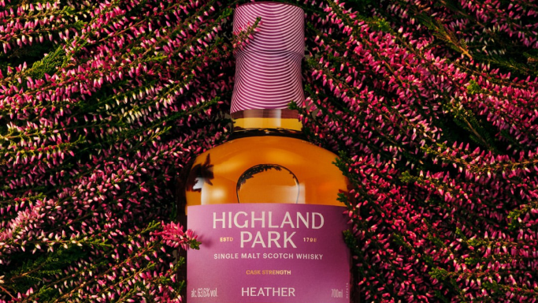
Highland Park is located on Scotland’s Orkney Islands, where local peat contains fewer trees and a greater concentration of heather than that found in many other whisky-producing regions. The result is a gentler, more aromatic smoke that has become one of the distillery’s defining characteristics.
Distilleries can modernise equipment and adopt new technologies, but they cannot relocate geography. The influence of Orkney remains embedded in the whisky itself, proving that some aspects of production are inseparable from place.
3. Patient Maturation: The One Step That Cannot Be Accelerated
If there is one whisky tradition that has resisted every attempt at acceleration, it is maturation.
Once whisky enters a cask, time becomes one of the most important factors shaping its development. Years of interaction between spirit and wood gradually soften sharper notes and create the balance and complexity that whisky lovers appreciate.
For all the advances made in whisky-making, there is still no substitute for time. A whisky matured for years cannot simply be recreated in a matter of months. Some things still require patience.
4. Cask Selection: Where Character Takes Shape
Long before a bottle reaches a shelf, many of its defining qualities have already been influenced by a decision most consumers never see: the choice of cask.
Different casks contribute different characteristics to whisky, influencing everything from flavour and aroma to texture and colour. At Highland Park, careful cask selection has long been central to the whisky-making process, helping to create the balance of sweetness, spice, smoke, and depth that the distillery is known for.
Like many enduring traditions, cask selection survives because it continues to make a meaningful difference.
Why These Traditions Endure
The remarkable thing about these traditions is not that they have survived for more than two centuries. It is that they have survived despite every pressure to abandon them.
They require patience in an age of speed and effort in a world focused on convenience. Yet they continue because they contribute something that technology alone cannot provide: character, distinctiveness, and a tangible connection to the craft of whisky-making.
More than 225 years after its founding, Highland Park remains an example of how heritage and modernity can coexist. Its commitment to these practices is not about resisting change, but recognising that some methods continue to matter because of what they bring to the final whisky.
That may ultimately be why some whisky traditions have survived for so long. Not because they belong to the past, but because they still have a place in the present.