By Nathaniel Zaccheaus, Abuja
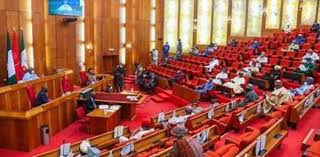
The Senate on Tuesday once again retreated into a closed-door session over the Electoral Act Amendment Bill, spending several hours in private deliberations but emerging without offering Nigerians any explanation on the fate of the proposed reforms.
Lawmakers remained in executive session for more than four hours, discussing the bill, which is widely regarded as central to improving the credibility of future elections.
However, when plenary resumed, no details were provided on the outcome, deepening uncertainty over key reform areas.
The secret session commenced at about 1:06 pm after Senate Leader, Senator Opeyemi Bamidele, moved a motion for the continuation of the clause-by-clause consideration of the report of the Senate Committee on Electoral Matters, chaired by Senator Simon Lalong.
The session ended around 5:30 pm, but senators declined to brief the public on the agreement.
Senate President Godswill Akpabio only offered a vague summary, saying, “We deliberated on matters concerning the Senate and the nation at large.”
He added that the issues discussed were “sensitive” and required further internal engagement before striking the gavel and closing the session without a verdict on the bill.
Shortly afterwards, Senator Bamidele moved for the adjournment of plenary till Wednesday, which was unanimously adopted.
The failure to reach an open resolution marked the second time the Senate had gone into secrecy on the Electoral Act Amendment Bill, fuelling concerns about transparency and the possibility of deliberate delays.
*Electronic transmission of results still unresolved, disagreement over making BVAS failure a criminal offence
At the centre of the unresolved debate is the proposal to make real-time electronic transmission of results from polling units to the Independent National Electoral Commission Result Viewing Portal (IREV) mandatory.
A senior senator, who spoke on condition of anonymity, said disagreements persist over the practicality of enforcing electronic transmission nationwide.
“Some of us believe the infrastructure is still weak in many parts of the country, and it will be dangerous to make it compulsory,” he said.
Another contentious issue is the proposal to criminalise failures in the use of the Bimodal Voter Accreditation System (BVAS), especially where presiding officers are unable to transmit results due to technical glitches.
One lawmaker was quoted as saying, “You cannot send people to prison because technology failed. That is not justice.”
The bill also proposes stiffer penalties for electoral offences, including vote buying and the illegal trading of Permanent Voter Cards (PVCs), with fines to be increased from N500,000 to N5 million. This, however, has sharply divided senators.
A ranking member of the chamber argued that “tougher sanctions are necessary to restore the integrity of elections,” while another countered that “raising fines alone will not stop vote buying without serious enforcement mechanisms.”
Despite the far-reaching implications of the proposed reforms, the Senate’s repeated silence has left the bill’s future uncertain, raising fears that Nigeria may enter another election cycle without meaningful legal safeguards to protect the electoral process.