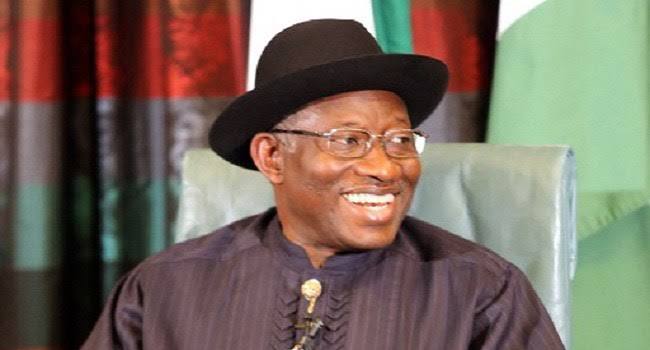
Goodluck Jonathan’s international outreach: Strengthening Nigeria’s democratic image

By Lindsay Barrett
The announcement that Dr. Goodluck Jonathan was chosen by the publishers of the magazine African Leadership, which is based, in the UK, as the most important and successful promoter of peace and good governance in Africa for the year 2020, although he is out of office, is a prescient and most important symbol of Nigeria’s relevance and value as a force for good in the continent.
The fact that despite having lost an election he is considered an important and imperative guide who can settle conflicts and encourage political adversaries to choose dialogue and harmony over hostile discourse is based on the perception of his commitment to public stability and order arising from his concession after the controversial election which removed him from office. Dr. Jonathan has authored a narrative of the experience that makes it plain that what inspired his decision was a commitment to peace rather than the desire to retain power.
New Service Chiefs: Win, or Quit
All too often in Africa it is the latter sentiment that has provided the foundation for leadership, and for a leader of Africa’s most populous and potentially one of its richest national entities to choose to prevent conflict rather than to hold on to office sends a major signal of service to public good to the entire political arena of the continent. The award coming at a time when some political opportunists in Nigeria had begun to float an improbable but very viable balloon of political contestation by suggesting that Dr. Jonathan might run for the office of Head of State once more raises some interesting issues.
First, Dr. Jonathan appears to be the most universally respected former leader of Nigeria to have been called upon to provide solutions to continental issues that have been the concern of the African Union and regional institutions such as ECOWAS in recent times. His service recalls the heyday of another former President Olusegun Obasanjo who served with distinction on anti-apartheid committees established by the United Nations after he had been military ruler. General Obasanjo gained credibility as a leader when he managed the first successful transition of Nigeria from military to civilian rule and was therefore regarded as a trustworthy representative of public interests. By similar criteria Dr. Jonathan’s concession and refusal to challenge his defeat, although several instances of irregularity and questionable conduct of the electoral process were recorded by credible observers, has given him the cachet of peacemaker.
It is an ultimate irony that his defeat in the Nigerian presidential election has made him an even more valuable leader for the broader global community and especially for the promotion of peace in Africa. Consequently, it now seems more likely that the legacy of Jonathan’s leadership will be consolidated at a level of responsibility that transcends the national arena that rejected him and that the future of his career as a leader will be international rather than domestic.
The true importance of the lessons to be learnt from Dr. Jonathan’s emergence as a credible post-Presidential leader in Africa is to be drawn from the perception of how his contemporary service reflects on the validity of him having once been the Nigerian leader. Nigeria’s economic debility now notwithstanding the dynamic creativity of its people and their political resilience allied to their demographic extravagance and large population makes the nation a central symbol of African self-determination globally. As a former leader of that incredible entity Dr. Jonathan’s opinions and actions in retirement must be of significance to all the leaders of the various sister nations in Africa, especially in West Africa.