All NewsNewsPolitics

INEC and Anambra election: The challenges, lessons

DAVID LAWAN examines preparation for the Anambra Governorship election by the Independent National Electoral Commission, INEC, and concludes that even when the Commission faced daunting challenges ahead of the elections, there is still more work to be done.

Apart from the numerous logistics challenges that came up just weeks before the Anambra governorship election, the Independent National Electoral Commission spent so much in terms of human and material resources.

The budget for the poll alone had to be increased because of the peculiar circumstances. To make the poll hitch and violence-free, INEC had to introduce the Bimodal Voter Accreditation System, BVAS, to reduce human interference in the electoral process.

This was highly commended including several innovative measures by the Commission to ensure elections are free and votes are allowed to count.

The BVAS was the first test run in Isoko South State Assembly Constituency bye-election in Delta State and it was adjudged the best in electoral advancement.

INEC even claimed it has helped them in no small measure since they will no more be using the form EC40G for manual accreditation if the card reader failed. But previously before the introduction of BVAs, it has been a contentious issue for INEC to grapple in an attempt to set the standard high. The BVAs have two functions which are to identify and authenticate a voter before being allowed to vote on Election Day.

There is no gainsaying the fact that INEC had suffered a series of attacks from criminal elements whose mode of attack was to make ensure no election was held. Almost all the southeast zonal offices of INEC were burnt down.

The Anambra State Resident Electoral Commission office was not spared. A total of 326 generating sets used to power the card readers were damaged beyond recovery. They had to be replaced and this also ate into the budget of the Commission.

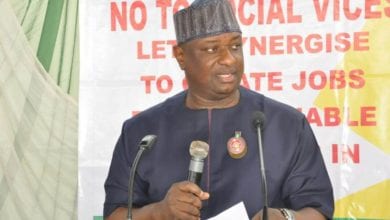
On May 23, 2021, gunmen burnt the commission’s office in Awka, the Anambra State capital, and destroyed some sensitive and non-sensitive materials. Reacting to the attacks, INEC’s National Commissioner for Information and Voter Education, Festus Okoye, said the cost of conducting the election is high because of the “unusual circumstances”.

According to him: “We also had to rebuild our stores where we normally store non-sensitive materials. We had to also replace over 60 per cent of the non-sensitive materials we already deployed to our Awka office, getting ready for this election.

“We had to repay six utility vehicles that were all burnt. We almost had to rebuild our state office that was also burnt.

“So, in terms of cost, it’s been very costly, and we can’t compare it to Ondo and Edo states’ elections because we are in unusual circumstances. We had to do things differently”.

Before the elections, INEC Chairman, Prof Mahmood Yakubu said he appeared before the joint National Assembly Committee on INEC to defend the commission’s 2022 budget proposal where a total of N140 billion had been earmarked for the commission’s budget of 2022.

While giving a breakdown of the figures, Yakubu told the joint committee of the National Assembly that N100 billion was set aside for the 2023 general election including the Ekiti and Osun state governorship elections.

Yakubu further disclosed that the commission budgeted N7bn for the conduct of Ekiti and Osun governorship elections including the possibility of runoffs. But following the unexpected failure of the BVAS on Election Day, Resident Electoral Commissioner, REC, Anambra state, Nwachukwu Orji appealed to furious voters who could not cast their ballot on the first day to return the next day as the Commission had extended the poll due to the malfunctioning BVAS. It was reported that more than half of the LGAs in the state had malfunctioning BVAS.

Top party leaders to debate resolution on Xi’s 3rd term

With the Anambra elections concluded, many hope that the INEC has picked up additional lessons from the conduct of the poll which could prove useful as the Commission prepare for the all-important 2023 general elections which are approximately 16 months from now. For many Nigerians, the clock is already ticking for the Electoral Commission.

Kubwa kerosene explosion: Petroleum agency set to clamp down on illegal operators –official

Related Articles

Leave a Reply

Back to top button