By Nathaniel Zaccheaus – Abuja
The Senate Committee on Public Accounts (SPAC) yesterday issued a 10-working-day ultimatum to the Nigerian National Petroleum Company Limited (NNPCL) to explain discrepancies amounting to over N201 trillion in its audited financial records covering 2017 to 2023.
This development follows NNPCL’s request for a two-month extension to respond to 11 audit queries.
It cited the unavailability of top executives and the need for additional documentation. The committee flatly rejected the request, describing it as “unacceptable and suspicious”.
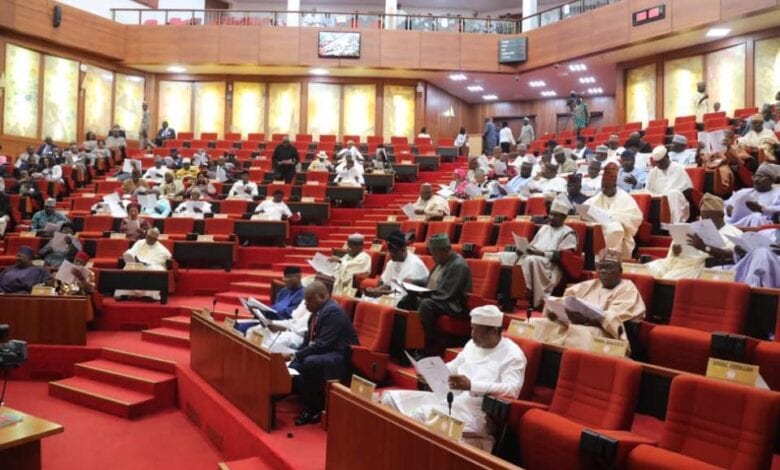
Committee Chairman, Senator Aliyu Wadada, announced the July 10 deadline at a hearing on Tuesday, stressing that the National Assembly would invoke constitutional powers if the company failed to comply.
At the centre of the probe are glaring inconsistencies in the oil company’s accounts.
For instance, NNPCL subsidiary, National Petroleum Investment Management Services (NAPIMS), reportedly declared N9 trillion in profits between 2017 and 2021, while the parent company recorded a N16 billion loss during the same period.
The audit also flagged N103 trillion in unverified expenses, including over N600 billion in retention fees without supporting contract documentation, and unclear legal and audit fees.
Similarly, the company’s receivables also stood at N103 trillion, raising red flags.
Wadada expressed serious concern over the shifting figures, pointing out that the company submitted a new document just before the hearing, which contradicted previously submitted financial statements.
“These numbers are mind-boggling and frankly, scary,” Wadada said. “Under President Bola Tinubu’s Renewed Hope Agenda, fiscal transparency is non-negotiable. This level of financial opacity cannot continue.”
The committee also questioned the absence of NNPCL’s external auditors, describing it as a major gap in the company’s accountability process.
Present at the hearing were representatives from key anti-graft and oversight agencies, including the EFCC, ICPC, NFIU, and DSS, who are expected to remain actively involved in the investigation.
NNPCL’s Chief Financial Officer, Mr. Dapo Segun, who appeared before the committee last week, defended the figures, attributing the discrepancies to ongoing reconciliations.
He promised a revised submission within the week—an assurance that failed to calm senators’ concerns.
The Senate had previously given NNPCL a seven-day grace period, but the emergence of new contradictions prompted a firmer stance.
Lawmakers now see the company’s upcoming appearance as a litmus test for accountability in Nigeria’s oil sector—one that could significantly influence public trust, investor confidence, and the future of NNPCL’s financial disclosures, especially as it eyes a potential Initial Public Offering (IPO).
“This won’t be swept under the carpet,” Wadada warned. “Nigerians deserve full disclosure. The truth behind these numbers must come to light.”