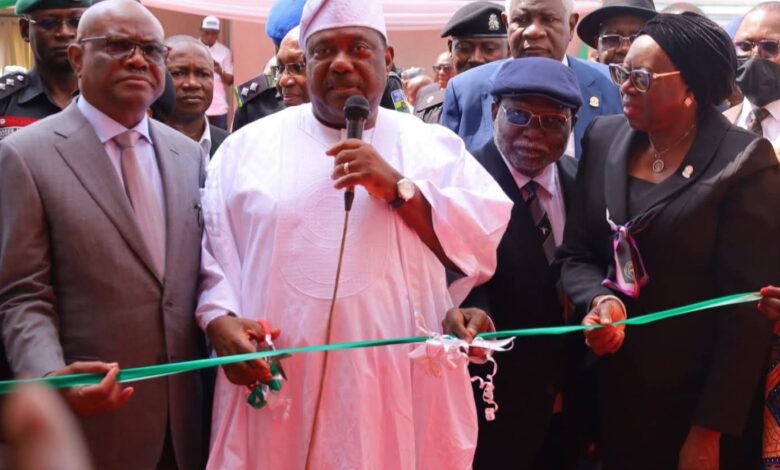
President Bola Ahmed Tinubu on Tuesday declared that strong institutions remain the cornerstone of democratic governance, saying his administration will continue investing in the infrastructure and welfare of Nigeria’s justice sector to reinforce the rule of law.
Speaking through the Secretary to the Government of the Federation, George Akume, at the commissioning of the Body of Benchers Office Annex in Abuja’s Institution and Research District, the President said the new facility demonstrates the Federal Government’s resolve to build resilient institutions capable of driving justice, accountability and national development.
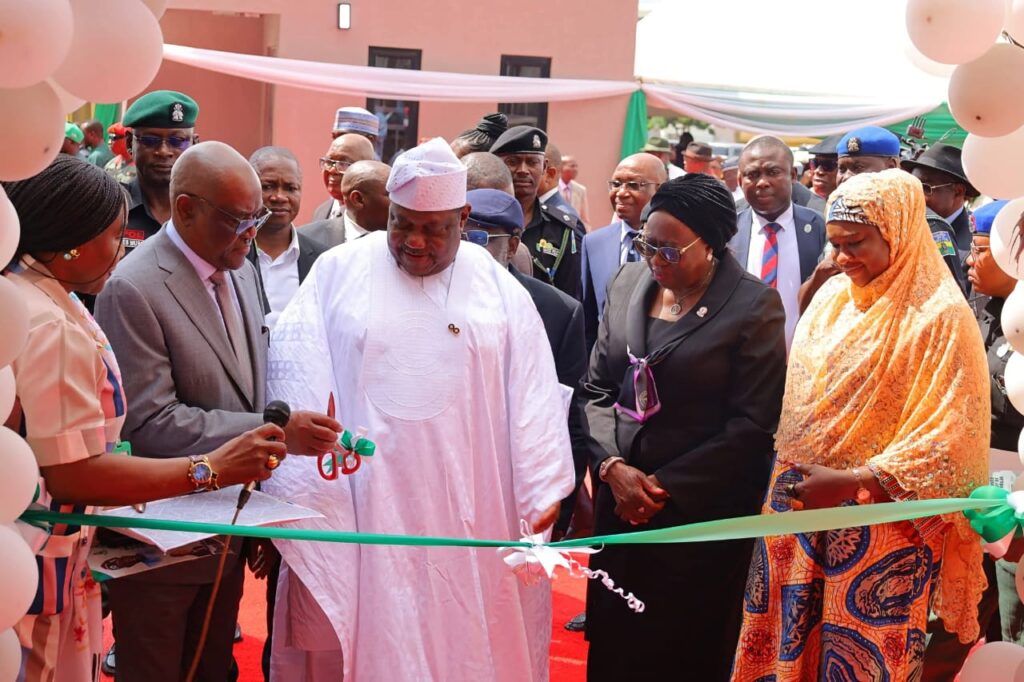

He described the project as more than a modern office complex, noting that it reflects the administration’s commitment to strengthening institutions that safeguard democracy and uphold the integrity of the legal profession.
According to Tinubu, the Renewed Hope Agenda is anchored on the belief that democracy can only thrive where institutions are independent, adequately equipped and empowered to perform their constitutional responsibilities.
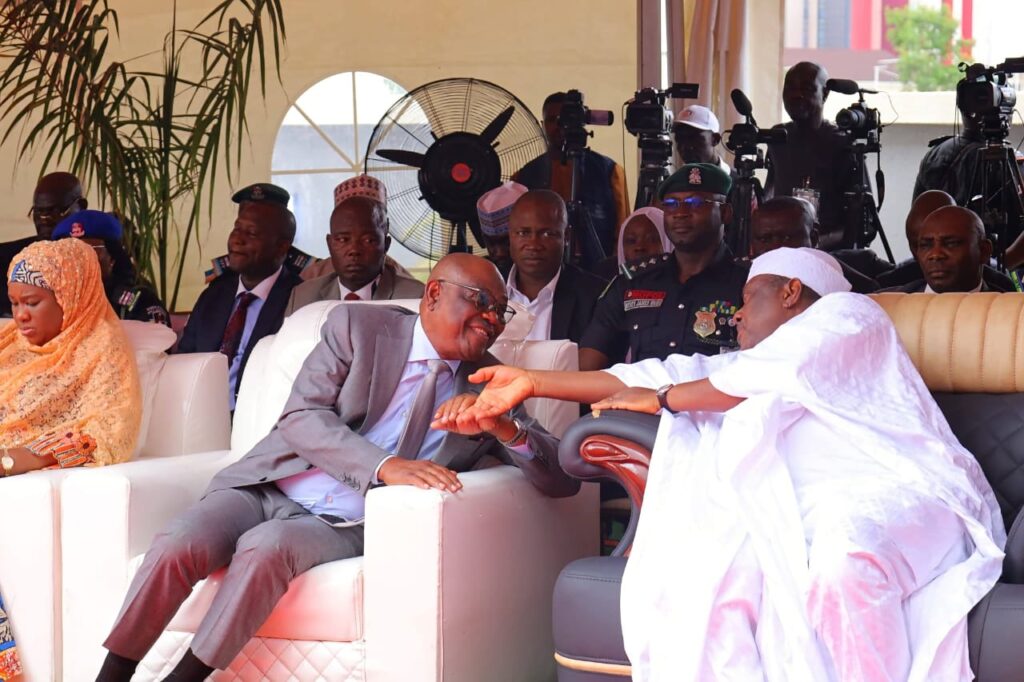
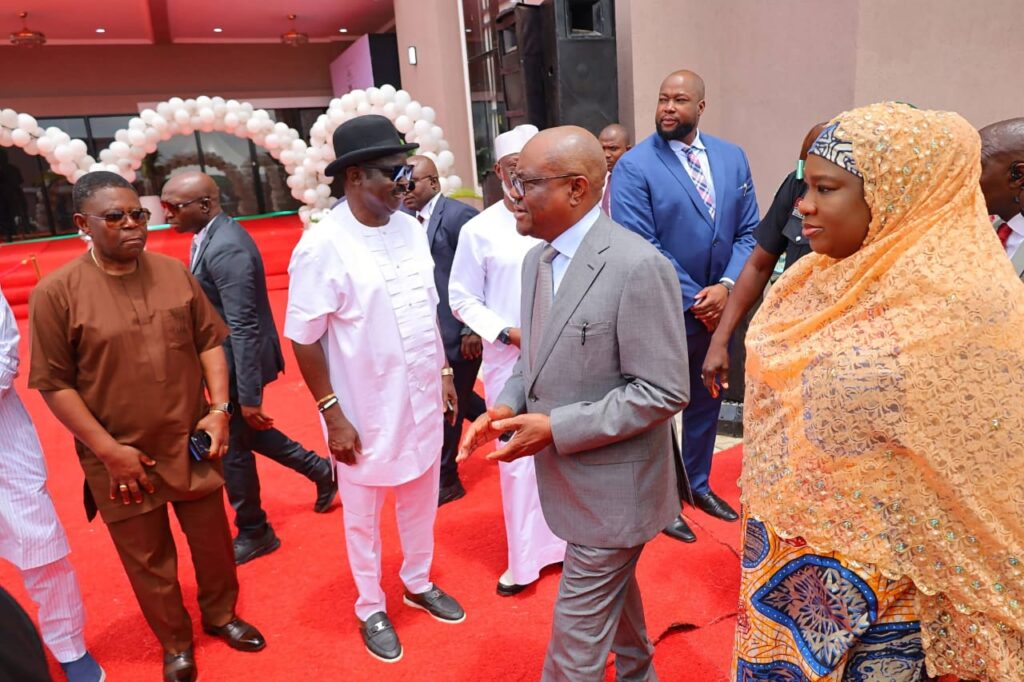
He identified the Body of Benchers as one of the country’s most important legal institutions, given its responsibility for admitting lawyers into the profession and maintaining professional standards, adding that it deserves infrastructure befitting its national role.
The President maintained that providing facilities for the judiciary does not amount to interference with its independence but represents government’s constitutional obligation to support institutions charged with interpreting and protecting the law.
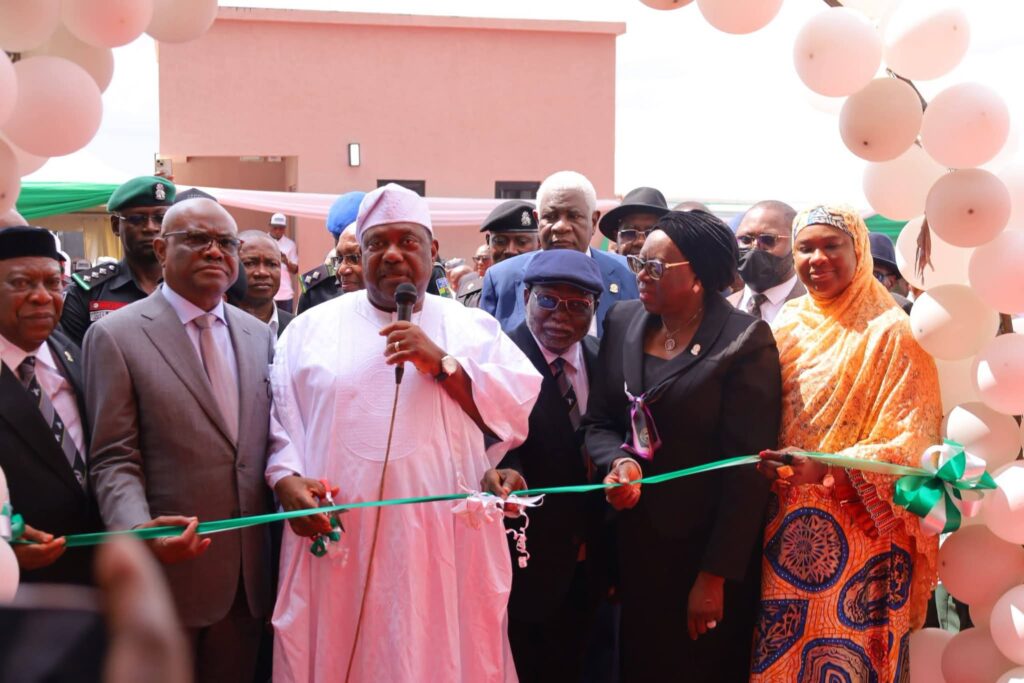
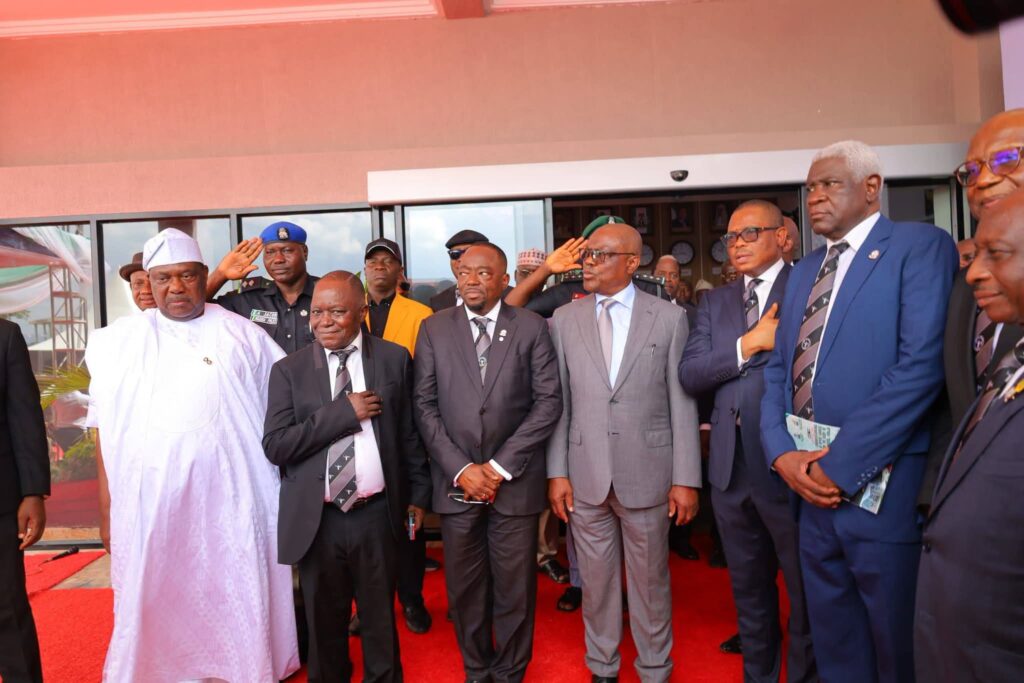
Tinubu disclosed that, in addition to the new annex, the Federal Capital Territory Administration has approved the construction of two 300-bed hostels for the Nigerian Law School in Bwari, completed the access road linking the Body of Benchers Secretariat to Nile University and commenced the construction of a fire service station to serve the district.
He also commended the Minister of the Federal Capital Territory, Barr. Nyesom Wike, for what he described as the rapid transformation of Abuja through extensive infrastructure development.

The President said projects such as the Court of Appeal Complex, Judges’ Quarters, the Outer Southern Expressway and several other landmark developments have significantly improved the nation’s capital, adding that the completion of the Body of Benchers Annex further demonstrates the administration’s commitment to efficient project delivery.
Tinubu urged the leadership of the Body of Benchers, headed by Olorogun Albert Akpomudje, SAN, to use the facility as a centre for legal mentorship, institutional reforms and the promotion of justice.
He also assured judicial officers of continued government support through improved welfare, better accommodation and the provision of resources needed to dispense justice fairly and independently.

Earlier, the Minister of the Federal Capital Territory, Barr. Nyesom Wike, credited the project’s completion to President Tinubu’s prompt intervention after the proposal was presented by a former Chairman of the Body of Benchers, Chief Adegboyega Solomon Awomolo, SAN.
According to Wike, although the request came after the national budget had been passed, the President directed that the project be accommodated in the supplementary budget, which was subsequently approved by the National Assembly.
The minister added that the FCT Administration had also responded to another request from the Body of Benchers by constructing a new access road to reduce traffic congestion around the institution, noting that the project is awaiting commissioning by the Vice President.
Wike reaffirmed the administration’s readiness to continue supporting institutions within the justice sector through infrastructure that enhances their operations and service delivery.
Chairman of the Body of Benchers, Olorogun Albert Akpomudje, SAN, described the annex as a major boost to legal education, professional discipline and the administration of justice, while calling for sustained collaboration between government and stakeholders to preserve public infrastructure and strengthen the justice system.
Delivering the vote of thanks, the Minister of State for the FCT, Mariya Mahmoud, said the facility would serve as a hub for mentorship, ethical leadership and professional excellence, while further enhancing the Body of Benchers’ role in protecting the integrity of Nigeria’s legal profession.