By Seyi Odewale
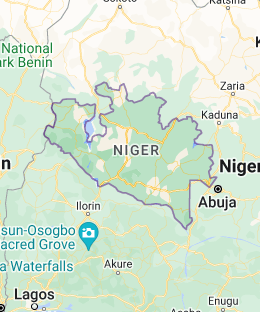
A fresh wave of tragedy has swept through Niger State as a deadly flash flood killed at least 21 people and left over 10 missing in Mokwa Local Government Area.
The disaster, which occurred following an intense overnight downpour, is the latest in a series of destructive floods that have plagued the state in recent years.
The Niger State Emergency Management Agency (NSEMA) confirmed the incident in a statement issued by its Acting Director General, Ibrahim Hussaini.
According to Hussaini, the torrential rainfall triggered massive flooding in the communities of Tiffin Maza and Anguwan Hausawa in Mokwa town, submerging homes and sweeping away residents in the early hours of the morning.
More than 50 residential buildings were thoroughly washed away, leading to the deaths of at least 21 people and injuries to many others.
NSEMA, in collaboration with the Mokwa Local Government Authority, local divers, and volunteers, promptly initiated search and rescue operations, which remain ongoing.
“So far, 21 corpses have been recovered, while more than 10 persons are still unaccounted for,” Hussaini disclosed, adding that the agency is working tirelessly to locate the missing and provide relief to affected families.
Three survivors—a woman and her two children—are currently receiving treatment at Mokwa General Hospital for injuries and trauma sustained during the flood.
This latest catastrophe comes on the heels of repeated warnings by environmental experts and government agencies about the vulnerability of Niger State to seasonal floods.
The state, traversed by the River Niger and several tributaries, has experienced several destructive floods in the past decade, which have displaced thousands, destroyed farmlands, and disrupted livelihoods.
Last year, similar floods wreaked havoc in communities across Lavun, Bida, and Shiroro Local Government Areas (LGAs), prompting calls for urgent intervention from the federal government and international aid agencies.
Experts have blamed the frequency and severity of these disasters on climate change, poor urban planning, and blocked waterways.
NSEMA has assured the public of continued rescue efforts and pledged to deliver relief materials to the affected communities. The agency also appealed to residents in flood-prone areas to heed weather forecasts and relocate to safer grounds.
As climate-related disasters become more frequent and deadly, the latest tragedy in Mokwa serves as a grim reminder of the urgent need for improved disaster preparedness, flood control infrastructure, and long-term mitigation strategies in Niger State and across Nigeria.