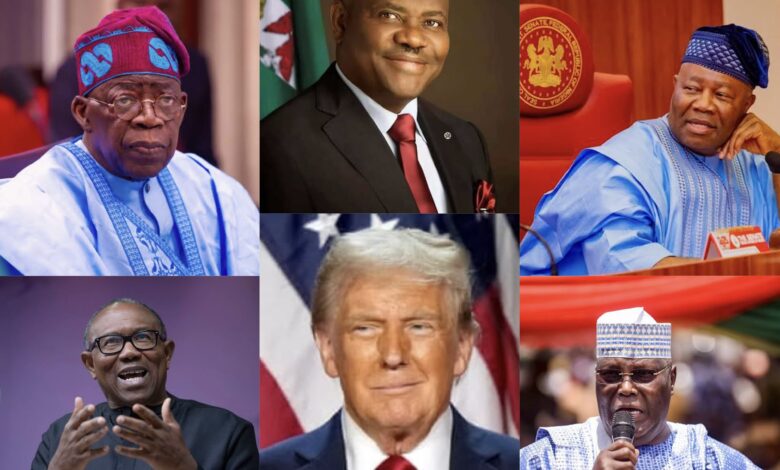
By his position as President, Commander-in-Chief of Nigeria’s Armed Forces, what he does or fails to do, naturally has profound impact on not only Nigeria but the subcontinent and continent. Globally, Nigeria is also a country taken seriously because of her huge population and potentials. As in 2023, 2024, President Bola Ahmed Tinubu will dominate the news in 2025 as he grapples with myriad issues confronting the nation: economy, security, energy, petroleum among others.
With two short years away from the 2027 general elections, which will afford him an opportunity of ‘a second bite at the cherry,’ President Tinubu will be expected to shape Nigeria’s future in 2025 through transformative leadership and strategic vision. His army of critics will expectedly be lurking in the shadows with ‘long knives’ to have a dig at him. 2025 will unravel how far he or they will go. However, the revitalization of Port Harcourt and Warri refineries, no doubt, gives Tinubu the bragging rights of a man with more surprises in his hat.
*UMAR ABDULLAHI GANDUJE
As national chairman of the All Progressives Congress, APC, Dr Abdullahi Umar Ganduje is poised to be a key news figure in 2025, due to his position of leadership of the ruling party and his political influence in Kano, a state pivotal to Nigeria’s electoral dynamics.
Known for his ability to build consensus across diverse party factions, Ganduje is aggressively solidifying the APC’s standing as a dominant force in Nigerian politics. By leveraging his deep understanding of grassroots mobilization and political trends, Ganduje is expected to play a central role in steering the party’s policies and fostering stability. He has also boasted that his party will win more states in 2027. In 2025, he will be plotting the strategies that would help him realize his ambitions.
*UMAR DAMAGUN
Alhaji Umar Damagun, Acting Chairman of the main opposition party, the People’s Democratic Party , will be one of the newsmakers in 2025. This is as a result of the schisms in the party he leads.
His ability to navigate the internal discords, while crafting a coherent vision for the party’s future will be essential not only for the PDP’s revival, but also for maintaining the balance of political power in Nigeria.
In a democracy where vibrant opposition is critical to governance, Damagun’s role in shaping the PDP’s trajectory makes him a significant figure in Nigeria’s political landscape.
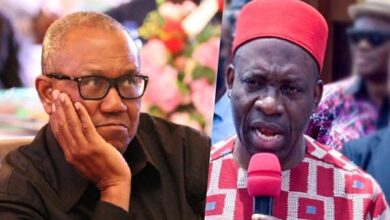
Peter Obi, as a prominent political figure and the Labour Party’s candidate in the 2023 presidential election, is expected to continue making the news and in the process, contribute to the shaping of Nigeria’s political affairs in 2025.
Known for his emphasis on fiscal discipline and governance reforms, Obi’s influence extends beyond his electoral bid, as he is one of the strident voices advocating for economic transformation.
With a reputation for prudent financial management during his tenure as Governor of Anambra State, Obi often challenges Nigeria’s political establishment and pushes for policies that foster inclusive growth, economic stability, and greater accountability in government. In 2025, he will hug the news headlines especially as general election approaches in 2027, and also, as he is believed to harbour plans of being on the ballot again.
Mallam Nuhu Ribadu, a former Chairman of the Economic and Financial Crimes Commission (EFCC),and National Security Adviser (NSA) continues to be an influential figure in Nigeria’s security and political landscape and is expected to shape the country’s affairs in 2025.
He is known for his fierce stance against corruption and garlanded for contributions to Nigeria’s anti-corruption framework.
As the NSA, Ribadu is in the thick of ensuring that Nigerians sleep with their two eyes closed.
While many have eulogized him on account of his performance so far on the job, others believe there are still a lot to do to wipe out criminal elements from our national space.
In 2025 and beyond, Ribadu has vowed to teach the bad guys the lessons of their lives. It doesn’t appear to be an empty boast going by what security experts call “significant improvements” in efforts against insecurity in the last two years. Certainly, he also can’t rest on his oars, as eternal vigilance should remain the watchword.
Alhaji Atiku Abubakar, a seasoned politician and former Vice-President of Nigeria, is a key figure in shaping the country’s political discourse in 2025, especially as the 2027 election approaches.
With his past experiences in governance and ability to build strategic coalitions across Nigeria’s diverse political spectrum, Atiku’s influence is strong in the Peoples Democratic Party (PDP) and the national field having run elections, albeit unsuccessfully, more than any other politician in the country.
In 2027, will he be on the hustings? 2025 will tell. However, how far he can go in his political pursuit, analysts posit, will largely depend on the outcome and resolution of the internal strife and multiple crises in his party, as well as, ability of the opposition to forge a formidable coalition.
The Naira, Nigeria’s national currency, will continue to be a critical factor in shaping the country’s economic direction in 2025. With ongoing challenges in foreign exchange management, inflation, and the devaluation of the Naira, the currency will be at the heart of economic debates, especially concerning Nigeria’s trade relations and purchasing power. How the government addresses the value of the Naira, stabilizes inflation, and attracts foreign investment will significantly impact Nigeria’s financial landscape. In 2025, the Naira’s role as a symbol of Nigeria’s economic resilience or vulnerability will be pivotal as the country seeks to strengthen its position in the global market while addressing internal economic challenges.
*DOLLARThe Dollar will remain a dominant force in shaping Nigeria’s economic environment in 2025, as Nigeria’s reliance on the U.S. currency for trade, foreign investment, and international transactions persists.
The fluctuations in the exchange rate between the Naira and the Dollar have far-reaching consequences for Nigeria’s economy, affecting everything from inflation and import costs to the broader purchasing power of Nigerian citizens. As the government explores economic reforms, including diversification and local currency use in trade, the Dollar’s influence will continue to serve as a critical barometer for Nigeria’s economic health. In 2025, how Nigeria manages its foreign reserves and interacts with global financial markets will be crucial in stabilizing the Naira and fostering sustainable growth.
*NNPC
The Nigerian National Petroleum Corporation (NNPC), as the country’s state-owned oil corporation, will continue to be a central player in shaping Nigeria’s economy and energy sector in 2025. With oil accounting for a significant portion of Nigeria’s revenue, NNPC’s policies and operations, including its recent transition into a fully commercial entity, will have a profound impact on the nation’s energy sector and financial stability. The corporation’s efforts to address issues like crude oil theft, inefficiency, and corruption, while increasing production capacity and diversifying into gas and renewable energy, will be crucial for Nigeria’s economic future. As global energy dynamics shift, NNPC’s strategies for sustainability, climate change, and energy transition will shape Nigeria’s role in global energy markets and influence the nation’s economic trajectory.
Alhaji Aliko Dangote, Africa’s richest man and the owner of the Dangote Group, will continue to be an influential figure in shaping Nigeria’s economy in 2025.
With his extensive investments across sectors such as cement, oil, agriculture, and infrastructure, Dangote’s businesses are critical to Nigeria’s industrialization and economic diversification goals. His flagship Dangote Refinery, which is set to revolutionize Nigeria’s oil and gas industry, will play a major role in reducing the country’s reliance on imported petroleum products and boosting local production. Dangote’s continued expansion into various sectors of the economy, alongside his influence in both the public and private sectors, positions him as a central figure in Nigeria’s drive for sustainable economic development and job creation.
The Islamic State’s West Africa Province (ISWAP) and the broader insecurity challenges in Nigeria will remain central to shaping the country’s political and socio-economic landscape in 2025.
The ongoing threat of insurgency, terrorism, and banditry continues to be an issue in northern Nigeria, displacing many and diverting national resources from development to security. As the Nigerian government grapples with combating these threats, the role of security forces, intelligence agencies, and regional cooperation in addressing the root causes of insecurity will be crucial. In 2025, the country’s ability to restore peace, rebuild conflict-affected areas, and foster social cohesion will be pivotal in determining Nigeria’s future stability and growth. Effective counter-insurgency measures and broader security sector reforms will be key to addressing the ISWAP threat and ensuring the safety of citizens and businesses.
Professor Yakubu Mahmood, the Chairman of the Independent National Electoral Commission (INEC), will remain a key figure in shaping Nigeria’s democratic processes in 2025. With his leadership in overseeing crucial elections, including the 2023 presidential election, Mahmood’s influence on Nigeria’s electoral integrity, transparency, and fairness cannot be overstated.
As the nation prepares for future elections, its ability to ensure free, fair, and credible elections will be critical for maintaining public trust in the democratic system. His role in electoral reforms, the use of technology in elections, and tackling issues like voter suppression and electoral violence will be crucial to shaping Nigeria’s political future and strengthening its democratic institutions.
Donald Trump, the former President of the United States, continues to have an indirect but significant impact on Nigeria’s affairs, especially in 2025, through his global influence and his relationship with African leaders.
Although Trump’s first administration had a controversial impact on U.S.-Africa relations, his political rhetoric and policies, particularly in trade, security, and international diplomacy, still resonate in the global political landscape.
As a key figure in the Republican Party and winner of the 2024 U.S. presidential election, Trump’s decisions and foreign policy priorities, especially in areas like trade agreements, international security, and investment in Africa, will shape Nigeria’s relations with the United States. How his policies unfold in 2025 could influence Nigeria’s strategic decisions, particularly in terms of economic partnerships and diplomatic engagement with the U.S.
The Judiciary, particularly the Supreme Court, will play a defining role in shaping Nigeria’s affairs in 2025 as it navigates high-profile cases and critical decisions that impact the nation’s democratic, legal, and political landscapes.
From adjudicating electoral disputes to interpreting constitutional matters, the Supreme Court remains the guardian of Nigeria’s democracy and the rule of law. Its role in resolving contentious political and social issues, such as election outcomes and governance challenges, will be pivotal in maintaining national stability and public trust. As Nigerians increasingly demand judicial independence and accountability, the Supreme Court’s decisions will not only influence governance but also set precedents for justice and equity in the country.
Nnamdi Kanu, the leader of the Indigenous People of Biafra (IPOB), and his movement will continue to be news material in Nigeria’s socio-political landscape in 2025.
As a symbol of agitation for Biafran independence, Kanu’s detention and the activities of IPOB have heightened tensions, particularly in the southeastern region. How the government addresses IPOB’s demands, the wider call for regional autonomy and underlying issues of marginalization will certainly impact Nigeria’s polity. Dialogue, political reforms, or heavy-handed tactics toward Kanu and IPOB will influence the trajectory of ethnic relations and national cohesion in 2025, as well as the government’s appraisals in managing internal conflicts.
The controversies surrounding Godwin Emefiele, the suspended Governor of the Central Bank of Nigeria, and the seizure of 752 properties reportedly linked to him, will remain a focal point of Nigeria’s anti-corruption narrative in 2025. This case underscores the government’s commitment to combating corruption, but it also raises questions about due process and institutional accountability. The resolution of this high-profile matter, including the final decision on the seized assets, will shape public perception of the government’s anti-corruption efforts and influence Nigeria’s image domestically and internationally. As Nigerians demand transparency and justice, the outcome of this case will set a precedent for addressing corruption among high-ranking officials.
The persistent North/South political divide continues to dominate Nigeria’s governance and political dynamics over the years, and 2025 is certainly not going to be an exception.
This regional dichotomy, fuelled by differing economic interests, cultural values, and political ambitions, remains a critical factor in elections, policy formulation, and power-sharing arrangements.
Whether through political negotiations, restructuring, or strategic leadership, addressing the North/South divide will be crucial for fostering national unity and ensuring that Nigeria’s diverse regions contribute collectively to its development. This challenge will remain at the heart of Nigeria’s political discourse in 2025.
Ongoing conflicts in the Middle East will continue to shape global and regional affairs in 2025, with significant implications for Nigeria’s diplomatic, economic, and security interests.
As a major oil-producing country, Nigeria remains vulnerable to the ripple effects of Middle Eastern instability, including disruptions in global oil prices and energy markets. Additionally, Nigeria’s active participation in global peace efforts and its large Muslim population make Middle Eastern conflicts a focal point in shaping its foreign policy and domestic social harmony. How Nigeria navigates its stance on these conflicts, engages in international diplomacy, and mitigates their impacts on its economy and society will be critical in 2025.
The global energy crisis, fuelled by supply chain disruptions, geopolitical tensions, and climate change, will remain a pressing issue in 2025, directly affecting Nigeria’s economy and energy policies. As Africa’s largest oil producer, Nigeria’s ability to address domestic energy demands while leveraging its oil and gas resources for export will be crucial. Efforts to transition to renewable energy, reduce dependency on imports, and address the country’s perennial power supply issues will define the nation’s path toward sustainable development. The energy crisis also presents an opportunity for Nigeria to assert itself as a key player in global energy markets, provided it can implement effective reforms and investments.
The continued unrest in Nigeria’s Southeast, driven by IPOB and its push for Biafran independence, will continue to shape the political and security landscape in 2025. The government’s approach to addressing the root causes of the agitation—such as alleged economic marginalization, political exclusion, and perceived injustices—will have its influence on nation’s cohesion. Whether through dialogue, development initiatives, or increased security measures, how Nigeria handles this unrest will affect its broader efforts to maintain peace and ensure equitable growth across regions.
The controversy surrounding local government (LG) autonomy will remain a pivotal issue in Nigeria’s governance discourse in 2025. As the closest tier of government to the people, granting LGs full autonomy, as declared by the Supreme Court , has the potential to improve grassroots development and service delivery. However, resistance from state governments and political actors who fear losing control over resources and influence has stalled progress. The outcome of this debate will determine the future of decentralized governance in Nigeria and its ability to address the pressing needs of rural and underserved communities.
Preparations for the 2027 general election will begin to take shape in 2025, influencing Nigeria’s political climate and governance.
Political parties will likely engage in realignments, power-sharing negotiations, and strategies to consolidate their influence ahead of the polls. Issues such as electoral reforms, the use of technology in voting, and voter education will dominate the agenda. The run-up to the election will also highlight the country’s progress in addressing security challenges, economic instability, and ethnic tensions, as these factors will weigh heavily on the choices of the electorate. The groundwork laid in 2025 will set the tone for Nigeria’s democratic journey toward 2027.