By Seyi Odewale
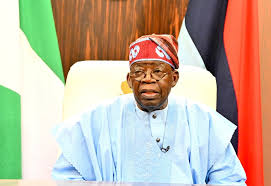
The apex Igbo socio-cultural group, Ohanaeze Ndigbo, has issued a stern warning to President Bola Ahmed Tinubu, declaring that his two-year scorecard offers “nothing to celebrate” and urging a dramatic shift from what it terms a “Yorubanisation agenda” toward competence and national inclusion.
In a statement by its Deputy President-General, Mazi Okechukwu Isiguzoro, and national spokesman, Chief Thompson Ohia, Ohanaeze criticised the administration for “experimental leadership failures” that have intensified the suffering of ordinary Nigerians through inflation, food insecurity, and poor governance.
While acknowledging the visible accomplishments of Works Minister Senator Dave Umahi and FCT Minister Nyesom Wike, the group noted that their efforts stand out in an administration otherwise plagued by incompetence.
“The time has come to reshuffle the cabinet and replace nonperforming ministers with proven leaders like Umahi and Wike,” the statement read.
Ohanaeze warned that failure to act decisively could spell political disaster by 2027, as those currently within Tinubu’s fold may defect and betray his reelection bid.
The group also emphasised that the Igbo voting population—dispersed across Nigeria’s 774 local government areas (LGAs)—could swing up to 39% of votes in the North if the government recognises the full demographic realities in the upcoming 2025 census.
In addition, the group called for the creation of two new states in the Southeast, insisting that the region has been shortchanged in past constitutional restructuring.
Ohanaeze also demanded that ethnicity and religion be fully acknowledged in the 2025 census to ensure equitable representation and inform electoral and developmental reforms.
“President Tinubu must seize this moment to act. If he fails to prioritise merit and national cohesion over narrow ethnic interests, he risks being abandoned by his allies and remembered for deepening national divisions,” they warned.
The release ends with a call for urgent reforms, emphasising that leadership at this critical juncture must be bold, people-oriented, and inclusive.