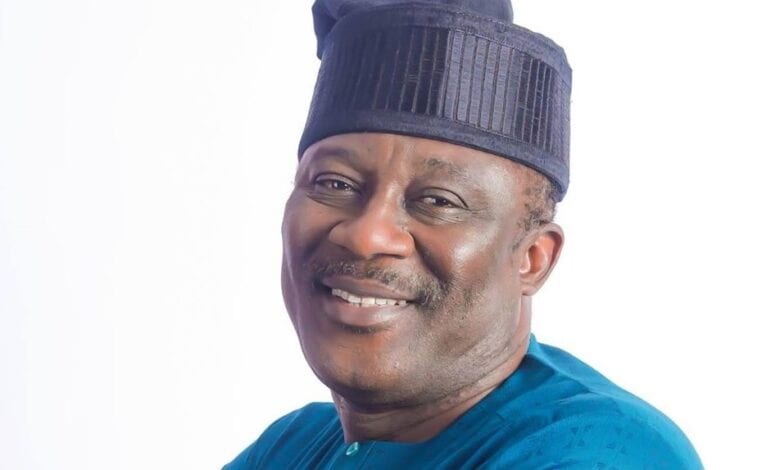
Sen. Smart Adeyemi (APC-Kogi) has called on the Federal Government to award contracts and build new refineries in Nigeria’s moribund oil refineries.
Adeyemi who represents Kogi West Senatorial District made the call during an interactive session with newsmen in Abuja on Thursday.
The lawmaker who expressed worry over Nigeria’s economy called on the government to ensure that the refineries function, in order to stop the importation of petroleum products.
“If the refineries are not functioning, let us award contracts and build new refineries,” he said.
On the solution, Adeyemi suggested that the names of persons importing petroleum products and generators be published to allow public power systems to work.
On Iron and Steel Complex Ajaokuta, the lawmaker said “It is not late to take the resources coming from the excess crude oil sales to complete the complex. If this is done, it will generate more foreign exchange.
Aguleri: Police charge seven suspects to court as women demand justice in Anambra
“Whatever it will take government to block the leakages, we must do it and use this advantage to complete iron and steel complex.
“Government must get a good percentage of the excess crude to complete iron and steel complex so that we will be exporting steel to West African countries and other parts of the world.”
He further said that if the Ajaokuta complex was revived, jobs would be created for the teeming unemployed youth in the country.(NAN)