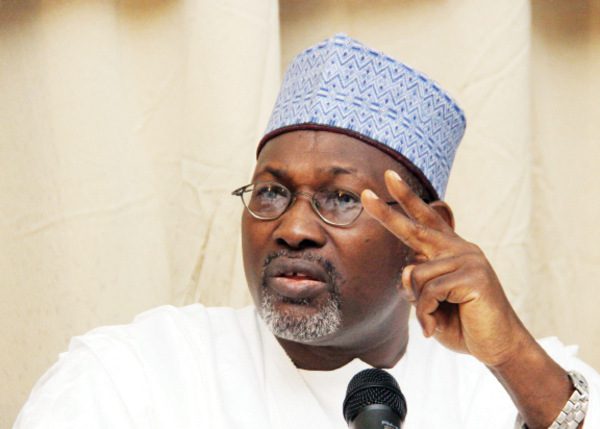
“While it’s beneficial to engage with institutions like the World Bank and IMF, we must not swallow what they bring to us hook, line, and sinker,” Jega stressed, urging for thoughtful evaluation of their recommendations.
Commenting on the conference, themed: ‘Good Governance as a Catalyst for Economic Recovery, Growth, and Development,’ Jega advocated for a more robust leadership recruitment process.
“The major challenge facing Nigeria is that many leaders are unprepared for leadership,” underscoring the need for a leadership reform to drive sustainable economic growth,” he remarked.
Dr. Jega’s statements follow public scrutiny of recent economic measures, such as the removal of fuel subsidies and naira floatation, which are perceived as IMF—and World Bank-inspired policies.
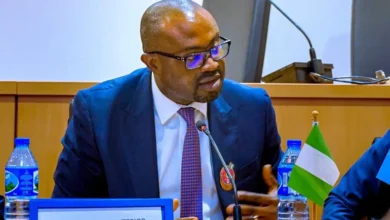
However, IMF’s African Region Director, Abebe Selassie, clarified that President Tinubu made the decision to remove the fuel subsidy domestically, emphasising that the IMF’s role in Nigeria is primarily consultative.
Jega encouraged a shift towards “People-oriented development processes,” urging Nigerians to prioritise democratic governance and critically assess external advice to secure the country’s economic future.