“Those handling the athletes should know that it is mandatory for the athletes to undergo three compulsory out-of-competition tests within 10 months. This, they did not do. Look at the embarrassment they have brought to the country because of their sheer incompetence.
‘‘It is glaring there is no professional to manage the athletes…you can give what you don’t have. Simple”.
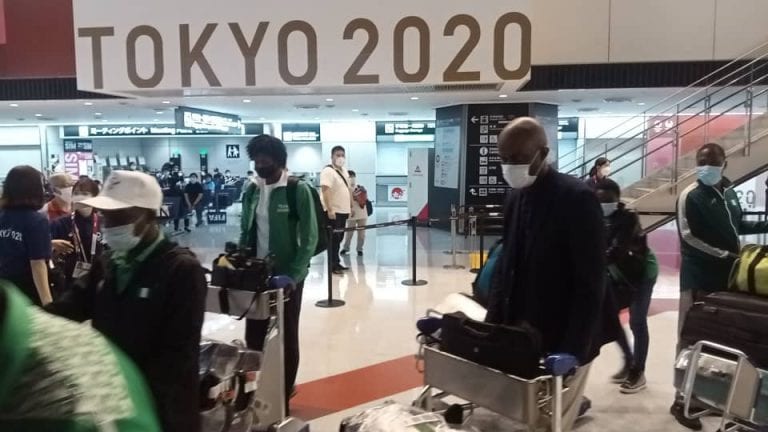
It would be recalled that the disqualification of these athletes led to the protest in Tokyo as some of them carried placards with different inscriptions.
One of the placards read: “Why should we suffer for someone else’s negligence?”
Another said: “All we wanted to do was complete” and “We are not just alternates, but potential medalists.”
The International Olympic Committee (IOC) had on Wednesday disqualified Knowledge Omovoh, Ruth Usoro, Favor Ofili, Rosemary Chukwuma, Glory Patrick, Yinka Ajayi, Tima Godbless, Chidi Okezie, Chioma Onyekwere, and Annette Echikunwoke.
South Korean athletes have their own food service at Tokyo Olympics
The Athletics Integrity Unit (AIU), an independent body created by World Athletics that manages all integrity issues – both doping and non-doping – revealed that the athletes were disqualified because they didn’t meet the minimum testing requirements under Rule 15 for 10 athletes.
The AIU explained that under the framework of Rule 15 governing National Federation Anti-Doping Obligations, which came into force in January 2019, National Federations are accountable for ensuring appropriate anti-doping measures are put in place.