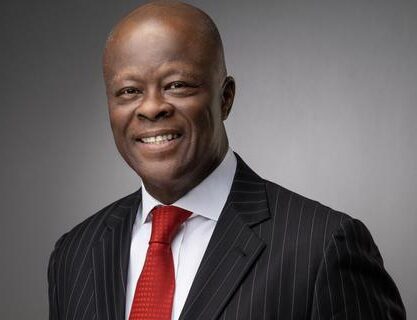
There is a measurable sustainable health financing and improved access to healthcare today due to the economic reforms under President Bola Tinubu says the Coordinating Minister of Finance and economy, Wale Edun.
According to him, Tinubu’s reforms, especially the removal of the fuel subsidy, elimination of monetary financing, fiscal consolidation, and improvements in tax administration, have reasonably stabilised the economy, even as it creates room for investment in health, education, and social protection.
The minister, who stated this at the National Health Financing Policy Dialogue yesterday in Abuja, explained that prepaid and pre-planned healthcare has eased the burden on households, unlike out-of-pocket spending at the point of care.
He said: “The more hospitals, diagnostic and oncology centres we have in Nigeria, the less Nigerians spend abroad, adding “We can even attract foreign patients, turning Nigeria into a regional hub for specialized healthcare services,”.
The Minister also emphasised that allocations to states have doubled, while private investment and philanthropy remain crucial in bridging the gaps.
He stressed that the economic gains, including stronger external reserves, moderated inflation, and a 3.4 percent growth rate last year, would support job creation, poverty reduction, and stable financing for social sectors.
Speaking at the event, Chairperson, Senate Committee on Health, Sen. Ipalibo Banigo, revealed that for the first time in 2024, funds were allocated to the Vulnerable Group Fund, which provided free treatment and renewed health insurance coverage for over 6,000 Nigerians in vulnerable groups.
Banigo also announced plans for a Catastrophic Health Fund to support patients with high-burden illnesses like cancer and liver failure, arguing that “The health of our nation is its true wealth, adding, ‘’Investing in a robust healthcare system is an investment in our productivity, economy, and future”.
She reaffirmed the National Assembly’s commitment to strengthening legislation, technology adoption, and oversight for sustainable health financing.
Banigo highlighted a four-point policy agenda for the National Assembly, which includes enacting and strengthening laws, promoting universal health coverage (UHC), and mobilizing sustainable resources through public systems and private partnerships.
The Senate Health Committee chairperson also outlined strengthening public financial management to promote accountability and support a learning agenda to guide legislation and governance at national and sub-national levels.
The National Health Financing Dialogue brought together government officials, legislators, development partners, and civil society to chart strategies for accountable and sustainable health financing.