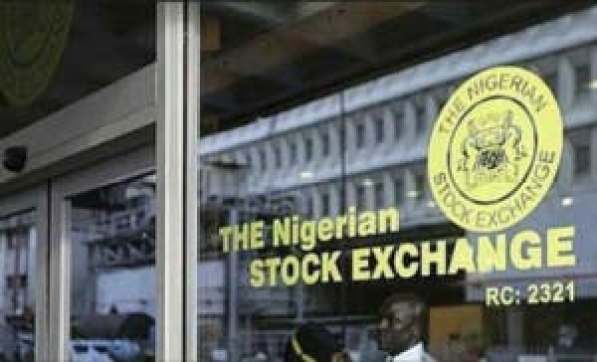
The Nigerian Exchange Group Plc. (NGX Group) on Thursday confirmed its intention to list on the main board of the Nigerian Exchange Ltd. (NGX).
The planned listing follows the successful completion of the demutualization and restructuring of the Nigerian Stock Exchange and related operations within NGX Group.
The Group Managing Director/Chief Executive Officer of NGX Group, Mr. Oscar Onyema, confirmed the listing in a statement to newsmen in Lagos.
Onyema said that shares of NGX Group would be expected to begin trading on NGX following their listing by introduction.
He said that all regulatory requirements had been fulfilled and the listing had received the approval of the Securities and Exchange Commission.
According to him, a total of 1,964,115,918 shares are expected to be admitted to trading and the shares will trade under the ticker NGX Group.
“I am pleased to confirm that the group intends to move ahead with its Listing by Introduction on the Main Board of NGX Exchange.
“Together with many other listed companies, NGX Group will take advantage of the strategic opportunities open to quoted companies in Nigeria.
“As a listed entity, the group will have access to the widest range of new investors, including the growing pool of institutional investors.
“Demutualisation has created many new possibilities for the group and our listing is just one more step in our evolution,” Onyema said.
The Group Chairman of NGX Group, Chief Abimbola Ogunbanjo, said that the listing would bring significant benefits to stakeholders, according to the statement.
“The group expects the listing to bring significant benefits to its business and its stakeholders.
“NGX Group will enhance its strategic flexibility by creating new financing opportunities and partnership possibilities while diversifying its shareholder base.
“This milestone will open up the group’s capital to new investors within the Nigerian investing public as well as international institutions, thereby reinforcing NGX Group’s presence in international capital markets,” he said.
Buhari not planning to impose state of emergency on Anambra, says Gov. Obiano
The stockbrokers to the listing of NGX Group are Chapel Hill Denham Securities Ltd. and RMB Nigeria Stockbrokers Ltd.
The issuing house(s)/financial adviser(s) are Chapel Hill Denham Advisory Ltd. and Rand Merchant Bank Nig. Ltd.