By Francis Ajuonuma
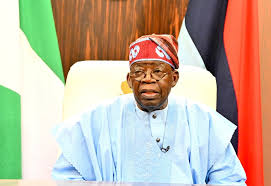
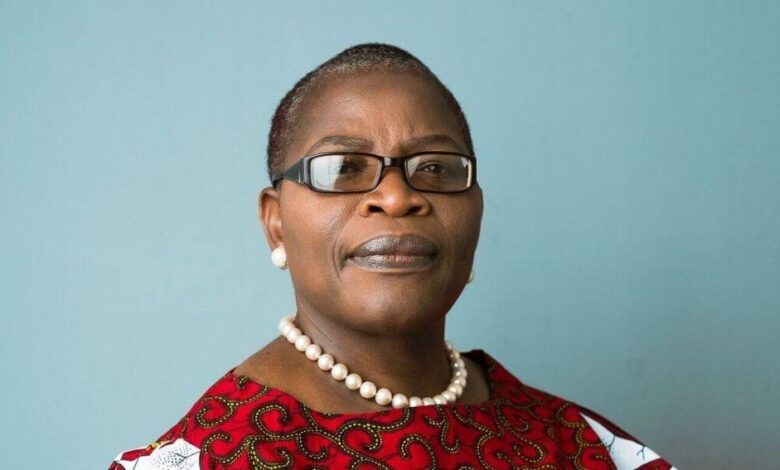
Former Education Minister and founder of #FixPolitics, Dr Obiageli Ezekwesili, has called on President Bola Tinubu to terminate the £746 million ports financing agreement with the United Kingdom, describing the transaction as opaque and potentially damaging to Nigeria’s economic interests.
Ezekwesili, who is Chairperson of the School of Politics, Policy and Governance, also demanded the immediate suspension of any drawdowns under the agreement and full disclosure of its terms, 152 days after Tinubu signed the deal with the UK at Windsor Castle.
She argued that the continued withholding of details of the agreement was unacceptable, particularly amid Nigeria’s rising debt burden and growing debt-servicing obligations.
According to the former World Bank Vice President, Nigeria’s public debt has risen from N87 trillion in May 2023 to more than N152 trillion, while debt servicing now consumes more than 60 per cent of government revenue.
She further criticised the administration’s borrowing trajectory, putting annual borrowing at almost N50 trillion and linking it to a $21.45 billion external borrowing plan approved by the National Assembly.
Ezekwesili said the ports agreement was not a grant or aid package but a sovereign debt obligation arranged by Citibank London and guaranteed by UK Export Finance, with British companies positioned to benefit from contracts arising from the financing.
She alleged that at least £236 million was contractually reserved for British suppliers, including a £70 million contract awarded to British Steel.
“Nigerians borrowed the money that British companies will use to secure the contracts, and Nigerians will repay the debt,” she said, questioning why the interest rate and repayment schedule had not been publicly disclosed.
Ezekwesili said civil society organisations, including SEREC and BudgIT, as well as opposition parties, had demanded disclosure of the agreement without receiving what she described as a substantive response.
She identified currency exposure, procurement shortcomings and policy failure as three major concerns surrounding the transaction.
The former minister also questioned why the Apapa and Tin Can Island ports could not be rehabilitated through private capital, arguing that their commercial value should make them attractive to investors without requiring Nigeria to assume sovereign debt.
She called on the Federal Government to return to the National Assembly with a competitive concession framework for the two ports, developed by an independent transaction adviser rather than a politically connected contractor.
Ezekwesili also urged civil society groups to pursue Freedom of Information requests against the Ministry of Finance, the Nigerian Ports Authority and the Attorney-General of the Federation, while seeking relevant documentation from UK Export Finance under British transparency laws.
“Nigeria desperately needs functional ports. But legitimate aspirations cannot be an excuse for illegitimate processes,” she said.
She warned that continued secrecy over the agreement could deepen public distrust in the management of Nigeria’s borrowing and public assets.
“Today marks 152 days of silence,” Ezekwesili said, urging Nigerians to demand disclosure of the agreement and accountability over commitments undertaken in their name