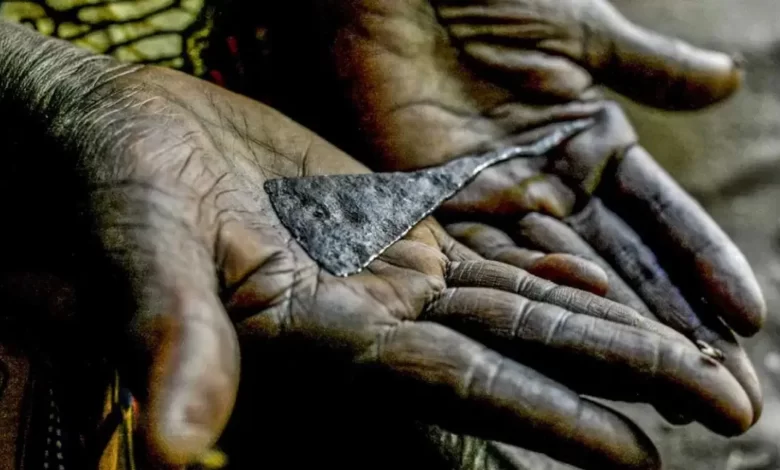
Female genital mutilation (FGM) is a harmful cultural practice that involves the partial or total removal of external female genitalia for non-medical reasons. This article examines the effects of FGM on childbirth, psychological well-being, available surgical interventions, and the different types of FGM.
Understanding the different types of FGM is essential in comprehending its implications. There are four main types, classified by the World Health Organization (WHO):
- Type 1: Clitoridectomy involves the partial or total removal of the clitoris.
- Type 2: Excision refers to the partial or total removal of the clitoris and the labia minora.
- Type 3: Infibulation is the narrowing of the vaginal opening by creating a seal, often with stitching.
- Type 4: This category includes any other harmful practices to the female genitalia, such as pricking, piercing, or scraping.
The impact of FGM on childbirth is a significant concern. It often leads to various complications during childbirth, including prolonged labor, excessive bleeding, and an increased risk of maternal and infant mortality. FGM can have long-lasting psychological effects on impacted women, such as anxiety, depression, and post-traumatic stress disorder (PTSD).
While FGM negatively affects the physical and mental well-being of women, there are surgical interventions available. These procedures aim to repair or reconstruct the damage caused by FGM, both physically and psychologically. They generally involve reconstructive surgery to restore genital function and appearance, aiming to improve sexual health and overall quality of life.
By examining the different types of FGM, the impact on childbirth, psychological consequences, and available surgical interventions, this article aims to increase awareness and understanding of the harmful effects of this practice on women’s lives.
Key takeaway:
- Female Genital Mutilation (FGM) affects childbirth: FGM can lead to complications during childbirth, including prolonged labor, hemorrhage, and increased risk of infection.
- FGM has psychological effects: FGM survivors often experience mental health issues such as depression, anxiety, and post-traumatic stress disorder (PTSD).
- Surgical intervention is available for FGM: Reconstructive surgery can help restore genital function and alleviate physical and psychological distress caused by FGM.
What is Female Genital Mutilation ?
Female genital mutilation, also known as female circumcision or female cutting, is the harmful practice of partially or totally removing external female genitalia for non-medical reasons. This barbaric procedure is primarily performed in parts of Africa, the Middle East, and some Asian countries. Female genital mutilation has absolutely no health benefits and inflicts severe physical, psychological, and emotional harm on girls and women.
This devastating practice is typically inflicted upon young girls, often between infancy and adolescence. Traditional practitioners carry out the procedure without the use of anesthesia or sterile conditions, leading to a heightened risk of infections, excessive bleeding, and long-term complications. The types of cutting involved can include clitoridectomy, which is the partial or total removal of the clitoris, as well as infibulation, which involves narrowing the vaginal opening through the creation of a seal.
The reasons for female genital mutilation vary among communities, but they are often rooted in cultural, social, and religious beliefs. These harmful traditions are based on distorted ideas about femininity, purity, and marriageability. It is crucial to note that there are no valid medical justifications for this cruel practice. Female genital mutilation blatantly violates the fundamental rights of girls and women, including their right to physical integrity, health, and freedom from violence.
Tragically, female genital mutilation continues to persist in certain regions. According to the World Health Organization, more than 200 million girls and women have fallen victim to this heinous procedure. Concerted efforts are underway to eliminate this practice. These efforts involve raising awareness, promoting education, working closely with communities, and strengthening legal frameworks. To make significant progress, it is essential to address the underlying sociocultural factors that perpetuate female genital mutilation.
Real-life Story: Aminah’s Journey
Aminah, a 12-year-old girl hailing from a rural community, faced the horrifying prospect of undergoing female genital mutilation. Her harrowing fate was averted thanks to the intervention of a local organization dedicated to educating communities about the detrimental effects of this practice. Aminah was provided with essential information about her rights and the grave risks associated with female genital mutilation. Empowered by knowledge and supported by her family, Aminah courageously defied this deeply ingrained tradition, refusing to undergo the harmful procedure.
Aminah’s story serves as a poignant reminder of the utmost importance of education and empowering individuals with knowledge to safeguard their rights. By breaking the cycle of female genital mutilation, Aminah not only spared herself from physical and psychological suffering but also became a beacon of hope for other girls within her community. Her inspirational journey underscores the critical significance of ongoing efforts to raise awareness and foster transformation, with the ultimate aim of eradicating the practice of female genital mutilation for future generations.
What are the Different Types of Female Genital Mutilation?
Female genital mutilation (FGM), also known as female circumcision, is the harmful practice of partially or totally removing the female genitalia. There are four main types of FGM that exist:
1. Type 1 FGM, also referred to as clitoridectomy, involves the partial or total removal of the clitoris, including the clitoral hood. This represents the mildest form of FGM.
2. Type 2 FGM, known as excision, is more severe than Type 1. It entails the partial or total removal of the clitoris, the labia minora, and possibly the labia majora.
3. The most severe form of FGM is Type 3, also called infibulation. It includes the removal of the clitoris, labia minora, and labia majora, followed by stitching the remaining skin, leaving a small opening for urination and menstruation.
4. Type 4 FGM encompasses all other harmful procedures to the female genitalia that are not classified under the previous three types. This can include pricking, piercing, scraping, or cauterizing the genital area.
It is important to note that FGM violates human rights and carries no medical benefits. Its consequences can be severe, leading to physical and psychological harm such as pain, bleeding, infections, difficulties with urination and menstruation, sexual dysfunction, and psychological trauma.
To eradicate FGM, it is crucial to raise awareness about its harmful effects, educate communities, and provide support to survivors. Legislation and the enforcement of laws against FGM play a vital role.
Female genital mutilation: turning childbirth into an Olympic hurdle.
How Does Female Genital Mutilation Affect Childbirth?
How Does Female Genital Mutilation Affect Childbirth?
Female genital mutilation (FGM) has severe consequences for women and girls, significantly impacting childbirth. FGM increases the risk of complications such as obstructed labor, tearing, and prolonged labor, which can lead to postpartum hemorrhage, infection, and stillbirth.
FGM also increases the likelihood of women undergoing cesarean section. Numerous studies have demonstrated that women with FGM are more prone to giving birth through cesarean section compared to those without FGM.
In addition to the physical impacts, FGM can have profound psychological effects on women, resulting in anxiety, depression, and post-traumatic stress disorder (PTSD). These psychological effects can increase stress during childbirth and have a detrimental impact on the well-being of both the mother and child.
Apart from the psychological ramifications, FGM can also negatively affect women’s sexual health. Scar tissue and altered anatomy from FGM can cause pain during intercourse, reduced sexual pleasure, and difficulties in achieving orgasm. These issues can significantly impact intimacy and reproductive health.
Accessing appropriate healthcare can pose challenges for women who have undergone FGM due to cultural factors, lack of awareness among healthcare providers, and fear of stigma and discrimination. Limited access to skilled birth attendants and necessary medical interventions further exacerbate the risks associated with childbirth for survivors of FGM.
To prioritize the well-being and rights of women and girls affected by FGM, it is imperative to focus efforts on raising awareness, providing comprehensive healthcare services, and implementing preventive measures to eliminate FGM and mitigate its negative consequences on childbirth and reproductive health.
Does FGM Affect Maternal and Infant Health Outcomes?
FGM indeed affects maternal and infant health outcomes. Women who have undergone FGM may face complications during childbirth, including prolonged labor, tears, hemorrhage, and the need for assisted delivery methods. The practice of FGM can make labor and delivery more difficult and increase the risk of complications for both the mother and the baby.
Additionally, FGM also increases the risk of stillbirths and neonatal deaths compared to women who have not undergone this practice. It is important to note that the risk of complications varies depending on the type of FGM, with Type III (infibulation or pharaonic circumcision) posing the highest risk.
It is crucial to acknowledge that not all women who have undergone FGM will experience complications, but the practice significantly increases the risk and has long-lasting effects on the physical and emotional well-being of the individuals involved.
What are the Psychological Effects of Female Genital Mutilation?
Female genital mutilation (FGM) has severe psychological effects on women.
What are the psychological effects of female genital mutilation?
It causes long-lasting trauma, emotional distress, and post-traumatic stress disorder (PTSD).
Women who have undergone FGM often suffer from depression, anxiety, and low self-esteem.
FGM can result in sexual dysfunction, trust issues, relationship difficulties, emotional detachment, negative body image, social stigma, and isolation.
It is important to recognize and address the psychological impact of FGM to provide appropriate support and resources for affected women.
Not all women will experience the same effects, as individual experiences and resilience vary.
How Does FGM Impact Mental Health and Well-being?
Female Genital Mutilation (FGM) significantly impacts the mental health and well-being of those who undergo it. The psychological effects are long-lasting and damaging, affecting emotional state and overall well-being.
1. How Does FGM Impact Mental Health and Well-being? FGM can cause psychological trauma and post-traumatic stress disorder (PTSD). It is extremely painful and traumatic, leading to distressing memories, nightmares, and anxiety. This trauma has a lasting impact on mental health and well-being.
2. FGM also affects self-esteem and body image. The physical and psychological changes make individuals feel ashamed, embarrassed, or insecure about their bodies. This affects their mental well-being.
3. Depression and anxiety are common consequences of FGM. Many individuals feel sadness, hopelessness, and trapped. The fear of pain and complications associated with FGM contributes to anxiety disorders.
4. Physical consequences of FGM may result in sexual dysfunction and relationship problems. This affects the ability to form intimate relationships and experience sexual pleasure, impacting mental well-being and quality of life.
5. Social stigma and isolation negatively affect the mental health of FGM survivors. The secrecy and cultural beliefs surrounding FGM lead to isolation and exclusion, causing loneliness, discrimination, and lack of support, worsening mental health.
Supporting the mental well-being of FGM survivors is crucial. Access to specialized mental health services, support groups, and community education programs promote healing and resilience. Safe spaces for open dialogue and culturally sensitive therapy empower individuals and aid in recovery.
Note: If you or someone you know is affected by FGM, seek professional help from healthcare providers, counselors, or organizations specializing in supporting survivors of FGM.
What Are the Emotional Consequences of FGM?
The emotional consequences of female genital mutilation (FGM) have a profound impact on the mental health and well-being of women who have undergone this practice.
What Are the Emotional Consequences of FGM? Some emotional consequences of FGM include:
1. Trauma: FGM causes deep emotional trauma in girls and women. The painful and invasive procedure done without their consent leads to fear, helplessness, and violation.
2. Depression: Many women who have experienced FGM may suffer from depression. The physical and emotional pain, along with the loss of control over their bodies, can contribute to feelings of sadness and hopelessness.
3. Anxiety: FGM can cause persistent anxiety in women, as they constantly worry about their sexual health, complications during childbirth, or the impact on their relationships.
4. Low self-esteem: Women who have undergone FGM may struggle with low self-esteem and feelings of worthlessness, due to societal stigma, belief that their bodies are damaged, and pressure to conform to cultural norms.
5. Trust issues: FGM leads to mistrust of others, especially healthcare professionals. Women who have had FGM may feel betrayed by those who are meant to protect and care for them, making them reluctant to seek medical help.
6. Sexual dysfunction: FGM can result in sexual dysfunction and lack of sexual pleasure, significantly impacting a woman’s self-confidence, intimate relationships, and overall well-being.
7. Post-traumatic stress disorder (PTSD): Some women may develop PTSD as a result of the traumatic experience of FGM. Common symptoms include flashbacks, nightmares, and hyperarousal.
8. Social isolation: The emotional consequences of FGM often lead to social isolation. Women may feel ashamed or stigmatized, causing them to withdraw from social activities and relationships.
It is important to recognize and address the emotional consequences of FGM. Providing support, counseling, and education can help survivors heal and reclaim their sense of self-worth and well-being.
Is There Surgical Intervention Available for Female Genital Mutilation?
Surgical intervention is available for female genital mutilation (FGM) to address its physical and psychological effects. It is important to note that not all women who have undergone FGM will need surgical intervention. In cases where it is necessary, there are various procedures that can be performed.
One option is reconstruction procedures, which aim to restore the appearance and function of the genitalia. These surgeries may involve reconstructing the clitoral hood or restoring the labia. By addressing physical discomfort, these procedures can greatly improve a woman’s well-being.
Another option is FGM reversal surgeries, which are specialized procedures that aim to remove scar tissue and reconstruct the genitalia to their pre-mutilation state. These surgeries have shown to significantly improve both physical and psychological well-being.
In some cases, additional surgical procedures may be required to address complications arising from FGM. These procedures may involve correcting urinary and sexual dysfunction, such as vaginal narrowing or obstruction.
It is crucial to seek appropriate medical care and consult with healthcare providers who specialize in FGM-related surgeries. These professionals can provide accurate information, discuss available options, and guide women through the decision-making process. Ultimately, the decision to undergo surgical intervention should be made on an individual basis, taking into account a medical evaluation, the woman’s preferences, and the availability of specialized healthcare professionals.
What Are the Surgical Procedures for FGM?
Female Genital Mutilation (FGM), also known as female circumcision, is an extremely harmful practice that involves the alteration or removal of parts of the female genitalia. In some cases, surgical interventions become necessary to address the physical and psychological consequences of FGM. Let’s take a look at the commonly used surgical procedures for FGM:
1. Defibulation: This procedure is performed to open the scar tissue that forms from the initial cutting or sealing of the vaginal opening. By doing so, it restores normal vaginal function, enabling sexual intercourse and childbirth.
2. Clitoral Reconstruction: Women who have undergone clitoral mutilation have the option to undergo clitoral reconstruction surgery. This surgical procedure aims to restore not only the appearance but also the function of the clitoris. It plays a significant role in improving sexual sensation and overall sexual experience.
3. Vaginal Reconstructive Surgery: In cases where the vaginal opening has been narrowed or completely closed as a result of FGM, vaginal reconstructive surgery may become necessary. This procedure is performed to create a normal-sized vaginal opening, enhancing menstrual flow and facilitating sexual intercourse.
4. Repair of Fistulas: FGM can lead to the development of fistulas, which are abnormal connections between the bladder, rectum, and vagina. Surgical repair focuses on closing these openings and restoring normal urinary and bowel function.
5. Psychological Support: While not a surgical procedure, psychological support is essential in addressing the emotional and psychological consequences of FGM. Therapy and counseling play a vital role in helping survivors cope with trauma, addressing body image issues, and promoting overall mental well-being.
It is important to understand that the need for surgical intervention may vary depending on the individual and the severity of FGM. These procedures aim to restore both the physical and psychological well-being of survivors.
What Are the Goals and Outcomes of FGM Reconstructive Surgery?
FGM reconstructive surgery aims to achieve several goals and outcomes. This surgical procedure is designed to restore the physical and functional aspects of the female genitalia that have been altered or damaged due to FGM. By addressing the effects of FGM, the primary objectives of this surgery are to improve overall health, enhance sexual function, and restore a sense of well-being.
One of the outcomes of FGM reconstructive surgery is the restoration of the external genitalia. This includes repairing the clitoral hood, labia minora, and labia majora, which may have been affected by the initial FGM procedure. This surgical intervention also addresses issues such as scar tissue and narrow vaginal openings. By doing so, it can improve various aspects of a woman’s life, such as urination, menstruation, and sexual intercourse.
FGM reconstructive surgery can significantly reduce physical discomfort and pain associated with FGM. This includes the alleviation of chronic pain, urinary problems, infections, and difficulties during childbirth. By addressing these physical complications, women can experience relief and an improvement in their overall quality of life.
In addition to the physical benefits, FGM reconstructive surgery also offers psychological advantages. It can contribute to improved body image, increased self-confidence, and emotional healing for women who have undergone FGM. This holistic approach recognizes the importance of addressing both the physical and psychological aspects of the procedure.
It is important to note that the effectiveness and outcomes of FGM reconstructive surgery may vary depending on the initial FGM procedure and individual factors. It is also essential to understand that not all women choose to undergo this type of surgery. Therefore, comprehensive support, including counseling and education, plays a crucial role in providing assistance to those affected by FGM.
FGM reconstructive surgery is a relatively recent development that acknowledges the necessity for physical and psychological healing. Through this surgical intervention and comprehensive support, women affected by FGM can work towards restoration and overall well-being.
What Are the Different Types of Female Genital Mutilation?
Female genital mutilation (FGM) is the harmful practice of altering or removing female genitalia for non-medical reasons. What Are the Different Types of Female Genital Mutilation? There are different types of FGM that vary in severity and tissue removal. Education, awareness, support for survivors, and legislation play a crucial role in eradicating this practice.
– Type 1: Clitoridectomy – Partial or total removal of the clitoris.- Type 2: Excision – Partial or total removal of the clitoris and inner labia.- Type 3: Infibulation – Narrowing the vaginal opening by cutting and repositioning the labia.- Type 4: Other – Includes harmful procedures like pricking, piercing, or scraping.
FGM is a violation of human rights and has no health benefits. Globally, around 200 million girls and women have undergone some form of FGM. To combat FGM, it is essential to promote gender equality, provide comprehensive sexual and reproductive health education, and engage community leaders to challenge harmful cultural norms. By working together, we can end FGM and protect the well-being and rights of all women and girls.
Understanding the different types of FGM is an important step in addressing this issue. We must collectively combat this harmful practice and promote the rights and well-being of girls and women everywhere.
What is Type 1 FGM?
Type 1 FGM, also known as clitoridectomy or female genital mutilation, involves the partial or total removal of the clitoris. It is the most common form of FGM, practiced in many countries, particularly in Africa. The clitoris is a small, sensitive organ that plays a significant role in women’s sexual pleasure. This procedure is typically performed on girls from infancy to adolescence.
Type 1 FGM has severe physical and psychological effects. It can cause pain, bleeding, infection, and difficulty urinating. It may also result in long-term health problems such as recurring urinary tract infections, cysts, and childbirth complications. Mentally, women who have undergone type 1 FGM may experience anxiety, depression, and post-traumatic stress disorder due to the traumatic procedure.
What is Type 1 FGM? The practice of type 1 FGM is deeply rooted in cultural and social norms that view it as a rite of passage or a way to control female sexuality. It is crucial to emphasize that FGM is a violation of human rights as it causes physical and psychological harm.
Global efforts are underway to eliminate FGM through legislation, education, and community outreach programs. Awareness campaigns are essential in challenging beliefs and practices surrounding type 1 FGM while promoting women’s health, well-being, and bodily autonomy.
The World Health Organization estimated in 2019 that around 200 million girls and women alive today have undergone some form of FGM, including type 1 FGM. Organizations and activists worldwide continue to raise awareness about the harmful effects of FGM and advocate for its eradication. Legislative measures have been implemented to criminalize the practice and support survivors in various countries. Community-based initiatives have also successfully changed attitudes and promoted alternative rites of passage without FGM. The collective efforts of individuals, communities, and governments are crucial in ending type 1 FGM and protecting the rights and well-being of girls and women.
Type 2 FGM: The horror sequel that nobody asked for, featuring removal of the clitoris and inner labia, followed by stitching to create a smaller opening- a must-not-watch for anyone with a sense of decency.
What is Type 2 FGM?
Type 2 Female Genital Mutilation (FGM), also known as excision, is one of the four types of FGM. This cultural practice involves removing the clitoris and labia minora, either partially or entirely, with or without the labia majora. Type 2 FGM is usually performed on girls aged 5 to 15.
Traditionally, limited medical knowledge and basic tools like knives, razors, or broken glass are used by traditional practitioners to carry out this procedure, which is linked to traditional beliefs about femininity, purity, and control.
Immediate physical consequences of Type 2 FGM include severe pain, bleeding, and the risk of infection. In the long term, it can lead to urinary and menstrual issues, as well as difficulties with sexual intercourse. FGM has significant psychological effects, such as trauma, anxiety, depression, and low self-esteem.
Efforts to eliminate Type 2 FGM are being made globally, with many countries implementing laws against it. Cultural norms and societal pressure continue to sustain this harmful practice in certain communities.
Fortunately, surgical interventions are available to address the consequences of Type 2 FGM. These procedures aim to repair the damage, restore genital appearance and functionality. The goals of reconstructive surgery include relieving physical discomfort, improving sexual well-being, and promoting psychological healing for survivors.
Type 3 FGM: When it comes to extreme makeovers, Type 3 FGM takes the prize for the most terrifying and unnecessary procedure.
What is Type 3 FGM?
Type 3 FGM, also known as infibulation, is the most severe form of female genital mutilation. It involves removing the external genitalia and stitching the vaginal opening, leaving a small hole for urine and menstrual blood. This procedure, known as infibulation, is typically done in young girls, usually between ages 5 and 8.
Type 3 FGM is done to control a woman’s sexuality and preserve her chastity. It has serious physical and psychological consequences. The procedure is painful and can cause complications like severe bleeding, infections, and difficulty urinating. In the long term, it can lead to chronic pain, menstrual problems, and urinary tract infections.
The psychological effects of Type 3 FGM are significant. Women who undergo this procedure may feel shame, anxiety, and depression. They may struggle with intimate relationships and have low self-esteem.
Type 3 FGM is recognized internationally as a violation of human rights. Many countries have laws to stop this practice and support survivors. Medical professionals and organizations raise awareness and offer medical and psychological help to those affected.
To promote the eradication of Type 3 FGM, we must continue raising awareness and educating communities about its harmful effects. Supporting organizations that work to end FGM and provide resources for survivors is also vital. Together, we can end this harmful practice and ensure the well-being of girls and women everywhere.
What is Type 4 FGM?
Type 4 Female Genital Mutilation (FGM), also referred to as “other harmful procedures,” encompasses any form of female genital cutting that does not fit into Types 1, 2, or 3. Unlike Types 1, 2, or 3 which involve the partial or total removal of the clitoris and/or the labia minora, Type 4 FGM includes a broader range of practices that can vary across different communities and cultures.
One common practice of Type 4 FGM is pricking, piercing, or incising the genitals, which involves making small cuts or scratches on the clitoris or labia. Some communities may resort to cauterization as a means to seal or close the genital opening.
Type 4 FGM presents significant health risks and consequences. Immediate complications can manifest as severe pain, bleeding, infections, and difficulties with urination. Long-term effects may involve urinary and reproductive issues, psychological trauma, and sexual dysfunction.
It is crucial to acknowledge that FGM, including Type 4, violates the human rights of girls and women. The practice is universally recognized as a form of gender-based violence and is condemned by numerous organizations and governments globally.
Efforts to eradicate FGM, including Type 4, encompass community education, access to healthcare, and legal interventions. These initiatives aim to increase awareness about the detrimental impacts of FGM, provide support and counseling for survivors, and promote gender equality.
Some Facts About How Female Genital Mutilation Affects Childbirth, Psychological Effects, Surgery and Types:
- ✅ Female genital mutilation (FGM) can lead to complications during childbirth. It may cause obstructed labor, perineal tear, and stillbirth among other risks. (Source: WHO)
- ✅ Psychological effects of FGM can include post-traumatic stress disorder (PTSD), depression, anxiety, and sexual dysfunction. FGM survivors often experience emotional distress and psychological trauma. (Source: WHO)
- ✅ FGM is a surgical procedure that involves the partial or total removal of the external female genitalia. It is typically performed without anesthesia and in unsterile conditions, increasing the risk of infections and complications. (Source: WHO)
- ✅ There are four major types of FGM: clitoral glans removal, clitoral glans and labia minora removal, vaginal opening narrowing, and other harmful procedures to the female genitalia. Each type has different long-term consequences and health risks. (Source: WHO)
- ✅ Female genital mutilation is recognized as a violation of human rights and reflects deep-rooted gender inequality and discrimination against girls and women. It perpetuates harmful cultural practices and imposes control over female sexuality. (Source: UNICEF)
Frequently Asked Questions
How does female genital mutilation affect childbirth?
Female genital mutilation (FGM) can have severe consequences for childbirth. The practice can cause narrowing of the vaginal opening, making it difficult for the baby to pass through during delivery. This can result in prolonged labor, tears, and other complications. FGM also increases the risk of postpartum hemorrhage and infection, which can be life-threatening for both the mother and the baby.
What are the psychological effects of female genital mutilation?
Female genital mutilation has significant psychological effects on girls and women who have undergone the practice. They may experience anxiety, depression, post-traumatic stress disorder (PTSD), and a range of other mental health issues. FGM can also have a negative impact on their self-esteem, body image, and overall sense of well-being.
Are health care providers involved in performing female genital mutilation?
Unfortunately, in some cases, health care providers are involved in performing female genital mutilation. This may be due to the belief that medicalizing the procedure makes it safer, but the World Health Organization strongly urges them not to perform FGM. Medical professionals should uphold their ethical duty to protect the health and well-being of individuals and avoid engaging in harmful practices.
What are the types of female genital mutilation?
There are four major types of female genital mutilation classified by the World Health Organization. These include the partial or total removal of the clitoral glans, removal of the clitoral glans and labia minora, narrowing of the vaginal opening (also known as infibulation), and other harmful procedures to the female genitalia. Each type can cause varying degrees of physical harm and long-term complications.
Where is female genital mutilation practiced?
Female genital mutilation is prevalent in many countries, but it is most common in Guinea and Somalia, where over 90% of women and girls have undergone the practice. It is important to note that FGM occurs in multiple regions across the world, including Africa, the Middle East, and certain immigrant communities in Western countries. Efforts to eliminate the practice are essential in all these areas.
Is female genital mutilation a violation of human rights?
Yes, female genital mutilation is unequivocally recognized as a violation of human rights. It reflects deep-rooted gender inequality, discrimination against girls and women, and a denial of their rights to physical integrity, health, and freedom from torture. FGM goes against the principles of the rights of the child, the highest attainable standard of health, and the freedom to live free from cruel treatment or punishment. Every person deserves to be protected from this harmful practice.