By Nathaniel Zaccheaus, Abuja
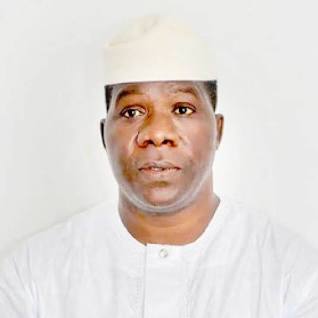
Leader of the Senate, Senator Opeyemi Bamidele, has disclosed that the National Assembly has begun concrete steps towards establishing a decentralised policing system, with a firm commitment to embedding accountability and preventing its misuse by the political class.
Bamidele, who is also the Vice Chairman of the Senate Committee on the Review of the 1999 Constitution, said lawmakers were determined to develop a state police framework that would be fair, inclusive and responsive to the security needs of all Nigerians.
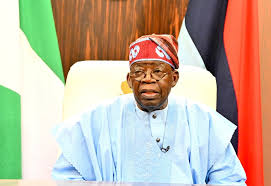
He made this known in a statement issued on Sunday by his Media Office, to commemorate the 74th birthday of President Bola Ahmed Tinubu, while also acknowledging key policy initiatives introduced by the administration to stabilise the country and address insecurity.
Against the backdrop of persistent security challenges nationwide, calls for state police have intensified, with many stakeholders advocating a decentralised structure that reflects Nigeria’s federal system and enhances grassroots security.
Tinubu has publicly endorsed the initiative, while the Nigeria Police had earlier submitted a detailed 75-page proposal on the framework to the Deputy President of the Senate, Senator Jibrin Barau, for legislative consideration.
Bamidele noted that the President had maintained close collaboration with the National Assembly in confronting insecurity, stressing that the administration was exploring innovative and sustainable strategies beyond conventional policing methods to tackle terrorism, banditry and other violent crimes.
According to him, the proposed decentralised police system aims to devolve policing powers to sub-national governments to ensure more effective governance and improved responses to security threats, especially in rural and underserved communities.
He said the National Assembly was already prioritising legislative action on the proposal.
“The framework under consideration will be anchored on strict accountability measures to prevent abuse by political actors, strengthen the justice system, discourage impunity and guarantee the protection of fundamental human rights,” Bamidele stated.
He added that the initiative reflects a shared commitment between the executive and the legislature to build a more secure Nigeria, assuring that the final framework would align with global best practices.
Reflecting on Tinubu’s leadership at 74, Bamidele described the President as a visionary leader whose long-standing dedication to national development has continued to shape the country’s progress.
He commended Tinubu’s resilience and determination in navigating the country through difficult times, noting that the administration’s reforms, though initially challenging, were beginning to deliver tangible benefits.
Describing the President as “a man of purpose and courage,” Bamidele said Tinubu’s contributions to Nigeria’s democratic development date back to his days as a pro-democracy activist and extend through his tenure in public office.
He recalled Tinubu’s record as governor of Lagos State, where he implemented reforms that transformed the state into a major economic hub, adding that his presidency has continued in the same reform-oriented direction.
“As President, he has taken bold decisions that previous administrations avoided, setting Nigeria on the path of recovery and long-term growth,” Bamidele said.
He pointed to the administration’s macroeconomic reforms, which he said had strengthened the naira, increased foreign reserves from $35.09 billion in May 2023 to $50.02 billion in March 2026, and attracted increased foreign investment into the country.
He noted that the foreign reserves growth represented a 42.54 per cent increase within the period.
Bamidele also highlighted the significance of the Tax Reform Acts of 2025, describing it as a major policy intervention that has reshaped Nigeria’s fiscal environment.
According to him, the reforms have led to an over 111 per cent increase in statutory allocations to sub-national governments, improved ease of doing business and enhanced efficiency in tax administration across all levels of government.
He added that the measures helped the country avoid a potential fiscal crisis and laid the foundation for sustainable economic stability.
The Senate leader reaffirmed the National Assembly’s commitment to continuing to work in synergy with the executive to address critical national challenges and advance reforms to secure the country and improve citizens’ welfare.