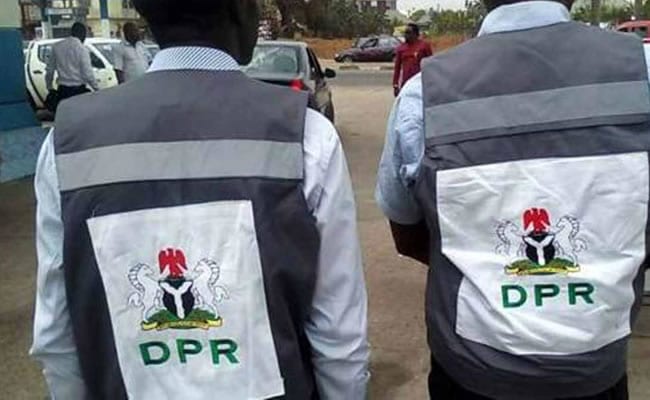
The Department of Petroleum Resources (DPR), in Abuja, on Thursday sealed 11 illegal gas plants and two filling stations over sharp practices.
The Liquified Petroleum Gas (LPG) — also known as cooking gas — plants and the filling stations visited are located in Karimo, Gwagwa, Games Village Kuje, and Gwagwalada.
The LPG operators were said to be operating illegally, while the two petrol stations were sealed for operating without a license.
Mrs. Wilkie Roselyn, DPR Abuja Zonal Operations Controller, said that efforts to get the illegal operators to regularise their businesses failed to yield results.
“In today’s exercise, 11 illegal LPG plants were raided in collaboration with the Nigeria Security and Civil Defence Corps (NSCDC); some personnel of these illegal facilities was arrested and they have been handed over to security operatives for prosecution.
“All our effort to get the attention of the illegal facility operators with the view of regularising their business failed to yield the desired result.
“DPR cannot sit back and watch the danger the existence of these illegal facilities portends to the lives and property of citizens.
” This necessitates our going out as the situation arises, to enforce provisions of the relevant laws and regulations for construction and operation of petroleum products facilities in the downstream sector,” she said.
FEC backs regularisation of certificates across Africa
She said that DPR, as a business enabler, had been engaging illegal petroleum product facility owners to come and be guided on how best to regularise their businesses and operate legally in a safe environment.
The zonal operations controller called on all illegal facility operators to come forth and regularise their operations by obtaining the necessary license to operate from DPR.
This, she said, would ensure the protection of investor’s assets and the safety of lives and property.
The team visited seven fillings stations and sealed 18 petrol pumps for sharp practices