By David Lawani, Abuja
The Independent National Electoral Commission (INEC) has moved to forestall logistics challenges that could disrupt the 2027 general elections, constituting a multi-agency committee to coordinate the movement of election materials and address transportation, security and distribution risks across the country.
The commission said the initiative was designed to ensure the timely delivery of sensitive and non-sensitive materials to polling units, stressing that logistics failures could undermine the credibility of the elections and disenfranchise eligible voters.
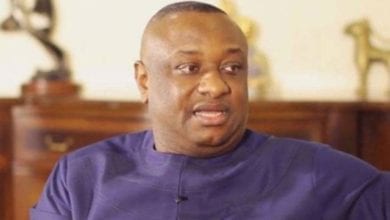
The INEC Chairman, Prof. Joash Amupitan, stated this on Thursday in Abuja while inaugurating the committee, headed by Rear Admiral Jamila Malafat and comprising experts drawn from the military and paramilitary services.
Amupitan said effective logistics remained fundamental to the electoral process’s success, regardless of advances in technology or improvements in electoral policies.
“No matter how advanced our technology or how robust our policies, the credibility of the process is ultimately judged by whether a voter finds a polling unit open, equipped, and ready at the appointed time,” he said.
The committee will coordinate the movement of election materials by road, air and sea, while developing strategies to overcome operational difficulties arising from Nigeria’s diverse terrain and security challenges.
Its responsibilities will include assessing INEC’s logistics requirements, developing plans for the storage and distribution of election materials and auditing the readiness of warehouses and transportation facilities nationwide.
The committee will also identify operational gaps and recommend measures to address them before the elections, while working to mitigate security threats and monitor compliance with logistics schedules.
Amupitan said stronger coordination among relevant government agencies, transport unions and INEC state offices would be critical to ensuring that materials and personnel reach their destinations within the required timeframe.
He stressed that the country’s geographical diversity made it necessary for INEC to adopt a logistics framework capable of responding to different operational conditions.
“Nigeria’s geography, from the creeks of the Niger Delta to the arid plains of the north, demands a logistics plan that is both flexible and resilient,” he said.
The chairman explained that the commission was deliberately addressing potential challenges well ahead of the elections rather than waiting until the election period, when delays could disrupt polling and prevent voters from exercising their franchise.
According to him, the exercise would cover not only transportation but also storage, distribution, security coordination and contingency planning, particularly in locations where terrain or insecurity could complicate the movement of electoral materials.
Amupitan emphasised that the success of the 2027 elections would depend not only on electoral technology and administrative policies but also on INEC’s ability to deploy personnel and essential materials to polling locations on schedule.
Describing the assignment as a long-term national responsibility, he urged members of the committee to demonstrate professionalism, diligence and commitment while working closely with stakeholders.
“The 2027 general election is a marathon, not a sprint,” Amupitan said.
He charged the committee to use the period before the elections to identify vulnerabilities, strengthen logistics systems and develop practical responses to potential disruptions.
The inauguration comes as INEC intensifies preparations for the 2027 general elections, with logistics, security and operational readiness emerging as critical elements in ensuring that polling units open on time and eligible voters are able to participate in the electoral process.