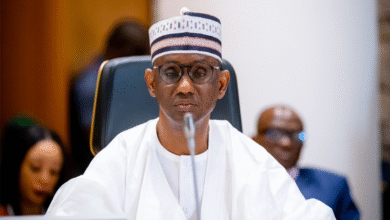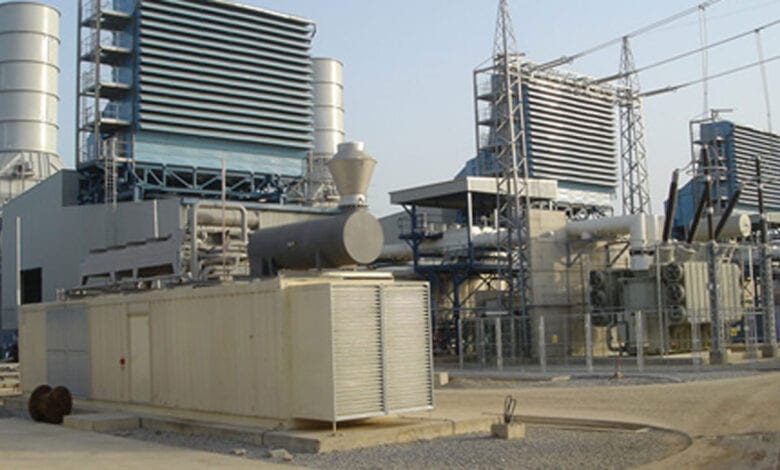
The Minister of Power, Sale Mamman, had last week tendered a public apology over the worsening supply in the country, blaming the development on gas-related challenges, which rendered about six gas power plants idle.
The Department of Petroleum Resources (DPR), Nigerian Electricity Regulatory Commission (NERC), Nigerian Gas Company and Nigerian Bulk Electricity Trading (NBET) Plc, and other stakeholders are firming fresh plans to address the perennial challenges facing gas-fired power plants in the country.
Yesterday in a meeting at Abuja, which brought so many stakeholders in the gas and power sector, Director of DPR, Sarki Auwalu said the challenges that have been facing the value chain have already been identified and will also look into with immediate effects.
He also said the concerns of the electricity generation companies (DisCos), which continue to impede gas availability, were genuine and needed urgent attention, stressing that the Nigerian Gas Transportation Network Code (NGTNC), launched last year, is being tweaked to address inherent issues.
3 suspected cultists arrested in Abuja with a gun, Jackknife
The director noted that the country could no longer sit on over 203 trillion cubic feet of gas as well as unproven 600 trillion cubic feet while struggling with domestic utilization of the resources.
The Chairman of NERC, Sanusi Garba, noted that there were commercial issues with a gas supply, which he noted provide over 70 percent of the country’s electricity generation source.
According to him with only three hydro plants, the country must resolve bottlenecks in gas supply to improve the generation capacity.
The concerns for most generation companies, represented at the event, were that the NGTCN may remain dead on arrival if the shipper license cost introduced by the new code is not factored into the operators’ approved generation tariffs.
They were also worried about the newly introduced about three transportation charges, stressing that the additional charges posed a high financial risk, especially in the absence of capacity recognition and payment as well as grid and tariff restriction.
They also noted that the timeline for invoicing payment, set for 15 days after the invoice did not align with reality in the sector where the GenCos may not get paid after two months for power generated.