By Linus Aleke, Abuja
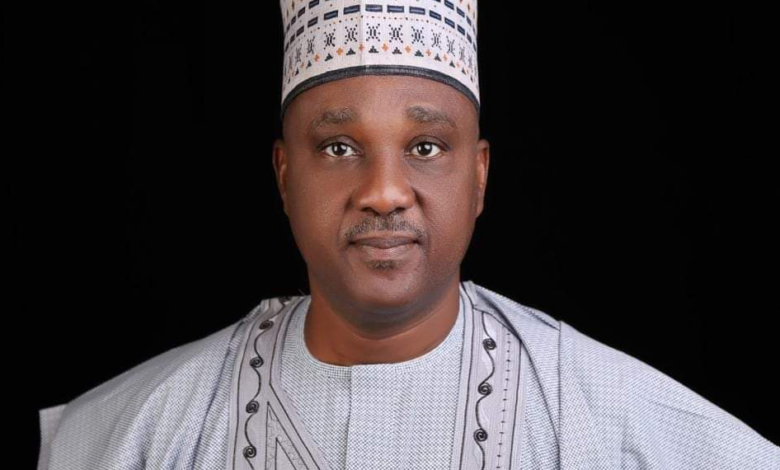
The Speaker of House of Representatives, Abbas Tajudeen,says the collection of Value Added Tax (VAT), in Nigeria is the lowest among its African peers.
The Speaker stated this yesterday while delivering a keynote address at the opening of a two-day retreat for members of the House, in Abuja.
The theme of the retreat was: “Navigating Change: Legislative Strategies for Economic Transformation.”
In a statement signed by his media aide, Musa Abdullahi Krishi, the Speaker, explained that the legislative retreat on economic transformation and development was organised by the House in collaboration with the Federal Inland Revenue Service (FIRS) and the Konrad Adenauer Stiftung Foundation (KAS).
He noted that the House made a deliberate decision to focus on tax reforms and modernisation as well as a review of the implementation of the Petroleum Industry Reform Act (2021).
“The overarching objective is to discuss and identify concrete legislative strategies for economic transformation,” he said.
The Speaker also expressed delight that the legislative retreat is taking place “at a point in our nation’s economic landscape when the current administration is diligently implementing policies and initiatives to steer our economy towards recovery, growth and sustainable development.”
“As a critical arm of government, the legislature has a crucial role in shaping our nation’s economic transformation and development. Part of our law-making powers is the authority to enact tax reforms and strengthen resource governance mechanisms,” he said.
He added that the retreat was aimed at fostering stakeholders’ engagement, ensuring constructive dialogue, exchanging ideas and offering insights on legislative strategies that would contribute to the economic transformation of our country.
“Accordingly, this forum allows us to take a deep dive into the tax reforms instituted by President Tinubu and undertake a review of the implementation of the Petroleum Industry Act (2021). We consider these two initiatives vital in our nation’s quest for economic recovery, transformation and growth. The two areas speak to both the oil and non-oil sectors of the Nigerian economy,” the Speaker said.
While stating that Nigeria’s tax revenue struggles are primarily due to narrow bases for indirect taxes, low compliance rates among taxpayers, substantial tax exemptions, and generally low tax rates, the Speaker added that the situation was compounded by “a lack of enthusiasm and morale for tax compliance, contributing to the nation’s underwhelming fiscal performance.”
He said, “Comparatively, Nigeria’s efficiency in collecting Value Added Tax (VAT) is the lowest among its African peers, indicating significant inefficiencies in its tax system.
“This trend of low tax revenue, coupled with a continued dependency on the increasingly unstable oil revenue, presents a major risk to Nigeria’s fiscal sustainability. It also highlights an important area for potential reform to boost revenue and stabilise the country’s economic framework.
“The lack of growth in non-oil revenue sources and the volatile nature of oil income underscore the urgent need for Nigeria to diversify its revenue base and enhance its fiscal management to ensure economic stability and growth.”