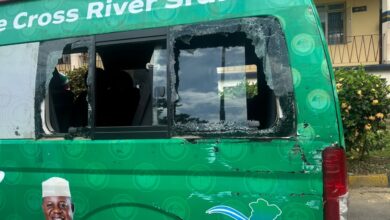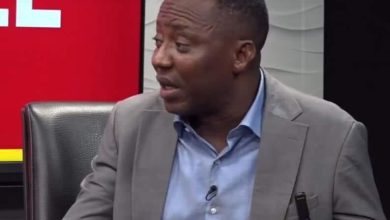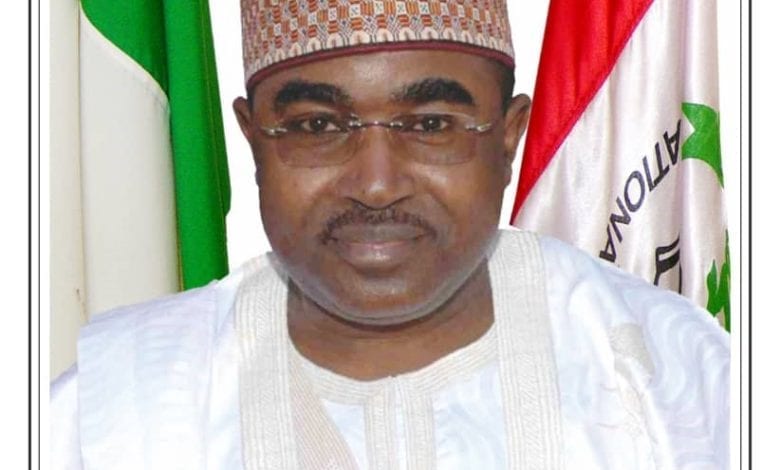
NDLEA chairman, retired Brig.-Gen. Buba Marwa, on Saturday in Abuja warned tricycle operators, popularly known as “Keke Marwa’’ or “Keke NAPEP’’ against carrying drug traffickers.
Marwa said that they would lose their investments if they were caught using their tricycles to transport drug traffickers or illicit substances in any part of the country.
The NDLEA boss issued the warning when FCT and the 36 states’ chairmen of Tricycle Owners Association of Nigeria (TOAN) paid him a courtesy visit.
In a statement issued by NDLEA’s Director, Media and Advocacy, Mr. Femi Babafemi, the chairman emphasized the need for the association to ensure that tricycles were not used to transport illicit drugs.
According to Marwa, “you and millions of your members have all invested hundreds of millions to buy these tricycles.
“But let me urge and warn that many of your members may lose their investments if they are caught using the tricycles to promote criminality, by using them to convey drugs and drug traffickers.
“Please urge your members who may be doing this to desist because the long arms of the NDLEA will soon catch up with them and they will only have themselves to blame,’’ Marwa warned.
The NDLEA chairman expressed the readiness of the Agency to partner with the association to educate its members and passengers on the dangers of illicit drugs as well as in the area of intelligence gathering.
Earlier, the association which was represented by its seven zonal chairmen called for partnership with the NDLEA in the fight against drug abuse and illicit drug trafficking.
In his remarks, the leader of the delegation, Comrade Aliyu Shuaibu, expressed appreciation to Marwa for granting the association audience in spite of his busy schedule.
Shuaibu noted that about 40 million Nigerians were benefiting directly or indirectly from the tricycle business.
He said that apart from seeking collaboration with the NDLEA on the drug war, the association had equally come to appreciate Marwa.
Shuaibu commended Marwa for his initiative by introducing the tricycle as a means of transportation in Nigeria, when he was the military administrator of Lagos State.
“The seed you sowed in Lagos State years ago is what is sustaining millions of Nigerians till today, whether as business or means of transportation.
“We are here to thank you for this great vision; we are also here to support your current assignment in the fight against illicit drugs and traffickers.
NAHCO appoints Enyinna Opara as Non-Executive Director
“And at the same time to install you as the National Life Grand Patron of TOAN.
“This is based on your immense contributions to nation building, particularly to the tricycle business, which today is a source of livelihood for millions of Nigerians and also the cheapest means of transportation for the common man,’’ Shuaibu said.