Hotelier says kidnappings, COVID-19 crippling business in Nigeria

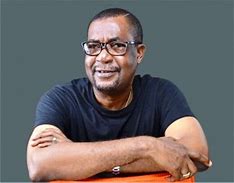
A hotelier, Mr Abiodun Isinkaiye, has lamented that kidnapping and COVID-19 pandemic are crippling hospitality business in the country, particularly in Ekiti
Isinkaiye said the hospitality business, which had been battling with the persistent issue of epileptic power supply in Nigeria, was worsened by the increasing cases of abduction and the outbreak of COVID- 19 pandemic.
The Proprietor of the Prosperous Royal Hotels and Resort said this on Monday, in Ado-Ekiti at a public lecture.
The programme was part of the activities of the 2021 Annual Public Lecture and Awards Presentation organised by Nigeria Union of Journalists (NUJ) Correspondents’ Chapel, Ekiti Council.
He appealed to the Federal Government led by President Muhammadu Buhari and the state governors to work hard to curb the abduction of Nigerians by unknown gunmen.
He added that recent trend in kidnapping had reduced the profit margin of every sector of the economy, with hospitality sector being the worst hit.
“Management of hotels business has always been a problem in Nigeria in view of epileptic electricity supply we have been facing for long.
“We rely on diesel powered generators as a source of power, which reduces our profit margin because power supply has to run for 24 hours to give our customers comfort.
“As we are still trying to cope with that, the COVID- 19 and kidnapping surfaced. The two have really negatively affected hospitality business in Nigeria, in fact, we can’t quantify the hardship that we are facing in the sector,” Isinkaiye said.
He further said since the two phenomenon started, business environment had changed; adding that the number of visitors to their facilities reduced with the fear that they could be kidnapped or come in contract with the deadly virus.
“When those who are visiting the state from the government or corporate bodies are to be in large numbers, such are now cut down significantly; because of these recent challenges and these are the people whose patronage we strongly rely on mostly.
“It has not been easy with us operating this business in recent time. We are no more getting visitors and the few ones we get must be safe and secured, meaning we have to also invest more in providing security so that our visitors will not be kidnapped,” he added.
The hotelier also said they had to comply with government’s directives on the enforcement of COVID- 19 protocols in all their facilities by investing more in buying sanitisers and other necessities spending huge amount of money.
President Buhari lands in Riyadh, S/Arabia ahead of Investment Summit
Isinkaiye, however, described the hospitality as a “reliable employment -generating sector in the country,” calling on government at all levels to give hoteliers the necessary assistance for their survival in the business.