Russian upper house votes to pull out of Open Skies treaty

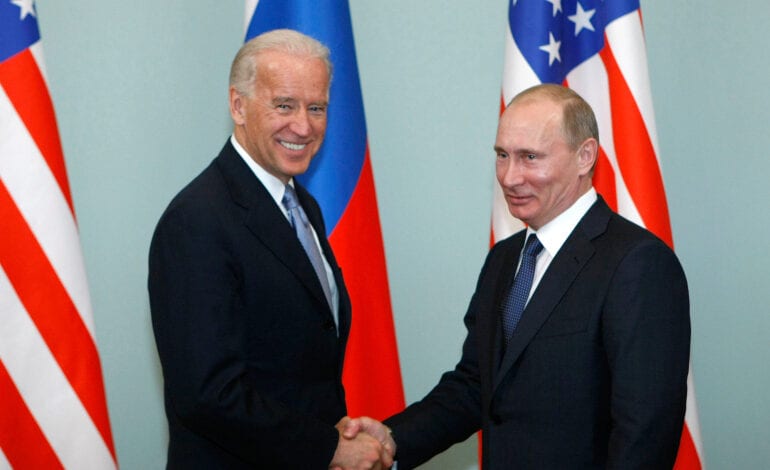
The Wednesday vote by the upper house of parliament was seen as the last important step on the Russian side to effectively end the treaty, with only the signature of President Vladimir Putin pending.
This was considered a formality, as the Kremlin leader himself had ordered the withdrawal from Open Skies.
The U.S. Government had informed Moscow at the end of May that it did not want to return to the agreement.
The administration of former U.S. President Donald Trump had announced about a year ago that the U.S would withdraw from the Open Skies Treaty, prompting Russia to follow suit and blamed the US for the end of the agreement.
Among other things, the agreement allowed the 34 signatory states several observation flights per year in the airspace of the contracting parties.
It was concluded in 1992 and came into force in 2002.
Military observation flights between NATO states and Russia were considered an important confidence-building practice since the end of the Cold War.
Burnt foreign container vessel is sinking, says Sri Lanka
Without the Open Skies Treaty, only one important arms control agreement remains between the U.S. and Russia: the New Start nuclear disarmament treaty.
Shortly before its expired in February, the government of U.S. President Joe Biden and the Kremlin had agreed on an extension.
The New Start Treaty limits the nuclear arsenals of both countries to 800 delivery systems and 1,550 operational nuclear warheads each.
Following the State Duma, the Russian Federation Council has also voted to withdraw from the treaty on international military observation flights, known as Open Skies.