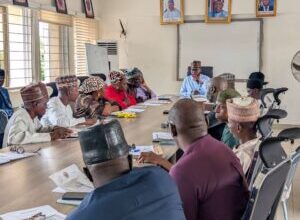
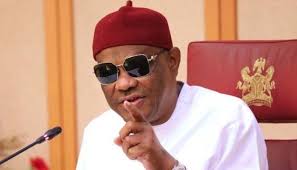
Gov Bello Matawalle of Zamfara, on Monday swore in six newly appointed Commissioners, two Permanent Secretaries, and Chairman of the State’s Board for Internal Revenue.
The newly appointed Commissioners are Ibrahim Dosara, Sufiyanu Yuguda, Yazid Danfulani, Rabiu Garba, Abubakar Dambo, and Barr. Aminu Junaidu.
The permanent secretaries are Kabiru Yusuf and Lawal Hussein, while Akilu Dama was sworn in as the Chairman, Zamfara State Board of Internal Revenue.
The swearing-in ceremony was held at the Government House, Gusau, while the oath of office was administered to the appointees by the State Chief Judge, Justice Kulu Aliyu.
In his remarks, Matawalle charged the new appointees to work closely with their permanent secretaries and inject new ways that would further make the state more attractive to investors.
He said that part of his administration’s determination was to form a formidable team that would work assiduously for the growth and development of the state.
The governor implored all the appointees to look into ways of improving the security of the state by working with each other for the glory of a new Zamfara.
While congratulating the new Chairman of the Internal Revenue Board, the governor drew his attention to the need to boost the state’s Internally Generated Revenue for the sustainable provision and improvement of basic amenities in the state.
End poverty, Okowa urges political appointees
He urged civil servants and citizens of the state to continue to support the government with prayers and credible information in order to sustain safe communities in all parts of the state.
In a vote of thanks on behalf of the appointees, Sufiyanu Yuguda assured the governor of their loyalty and readiness to work hard and bring more development to the state.
“We are honored by the confidence reposed in us by appointing us as cabinet members in the state and we promise to work tirelessly for the development of the state,” Yuguda said.