By Nathaniel Zaccheaus Abuja
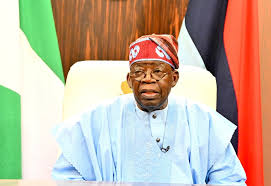
The Senate has approved President Bola Tinubu’s comprehensive borrowing plan for 2025–2026, which includes new external loans amounting to $21.5 billion, €2.2 billion, and 15 billion Japanese Yen, alongside a €65 million grant.
Additionally, the Senate gave its nod to a fresh $2 billion Foreign Currency Denominated Issuance Programme to be floated in Nigeria’s domestic debt market, a novel approach aimed at tapping foreign currency liquidity within the country to finance critical infrastructure.
The approvals followed the presentation of a report by Aliyu Wamakko, Chairman of the Senate Committee on Local and Foreign Debts, which confirmed that all the proposed borrowings are on concessional terms with low interest rates and long repayment periods.
The borrowings form a core part of the 2025 Medium-Term Expenditure Framework (MTEF) and Fiscal Strategy Paper (FSP).
In his letter to the Senate, President Tinubu stated that the loans were crucial for bridging Nigeria’s infrastructure gap, stimulating job creation, and stabilising key sectors such as education, health, water, and agriculture.
The Senate also approved Tinubu’s request to raise ₦757,983,246,571 through domestic bond issuance to settle backlogs under the Contributory Pension Scheme (CPS).
The outstanding liabilities date back to December 2023.
The Senate Committee noted that the bond issuance is in line with provisions of the Pension Reform Act (PRA) 2014, which mandates the federal government to fund Retirement Benefit Bonds for employees under the CPS.
“The bond issuance will cushion the hardship of retirees, restore trust in the pension system, and stimulate liquidity in the domestic market,” the report stated.
Tinubu had, in a letter read by Senate President Godswill Akpabio in May, outlined the borrowing plan, which is captured under the 2025–2026 Medium-Term Expenditure Framework and Fiscal Strategy Paper. The plan targets key sectors, including infrastructure, agriculture, education, health, water supply, security, financial reforms, and employment generation.
“The 2025–2026 borrowing plan covers all sectors with specific emphasis on infrastructure, agriculture, health, education, water supply, growth, security, and employment generation, as well as financial and monetary reforms,” Tinubu stated.
The President argued that the loans are crucial to addressing the country’s widening infrastructure deficit and the economic strain caused by the removal of fuel subsidies.
“In light of the significant infrastructure deficit in the country and the paucity of financial resources needed to address this gap amid declining domestic demand, it has become essential to pursue prudent economic borrowing to close the financial shortfall,” he explained.
In a separate request, Tinubu sought legislative backing for the Debt Management Office (DMO) to issue ₦757,983,246,572 in Federal Government bonds in the domestic market to offset accumulated pension liabilities as of December 2023.
He cited the Pension Reform Act of 2014 and revenue shortfalls as the cause of the backlog, which has led to growing hardship among retirees.
“The federal government has not been compliant with the implementation of the above provisions of the PRA 2014 over the years due to revenue challenges, leading to accumulation of pension arrears with the attendant ICU retirees,” the letter noted.
The President stated that the Federal Executive Council had approved the bond issuance at its meeting on February 4, 2025.
He assured that the measure would restore confidence in the pension system and enhance economic liquidity.
“It will ensure positive welfare even for the retirees, as this will enable them to meet their basic needs, improve health, and avoid untimely death.”
The Senate also gave the green light to establish a Foreign Currency Denominated Issuance Programme of up to $2 billion in Nigeria’s domestic debt market.
The initiative, enabled by Presidential Executive Order No. 16 of 2023, allows the government to raise foreign currency from within Nigeria to fund critical infrastructure.
The Committee on Local and Foreign Debts noted that the programme would deepen Nigeria’s capital market, attract foreign investors, and reduce dependence on external borrowing.
The bonds will be ring-fenced and invested in projects approved by the President on the recommendation of the Finance Minister.
Targeted sectors include power, transport, and digital infrastructure.
The initiative will enable the government to tap into local dollar liquidity from the private sector, diaspora remittances, and foreign entities operating in Nigeria.
“The initiative provides an alternative to external borrowing, reduces pressure on foreign reserves, and allows investors to earn returns on their dollar holdings while contributing to national development,” the committee stated.
Despite the inevitable increase in debt stock and servicing obligations, lawmakers argued that the long-term economic benefits outweigh the costs.