By Nathaniel Zaccheaus, Abuja
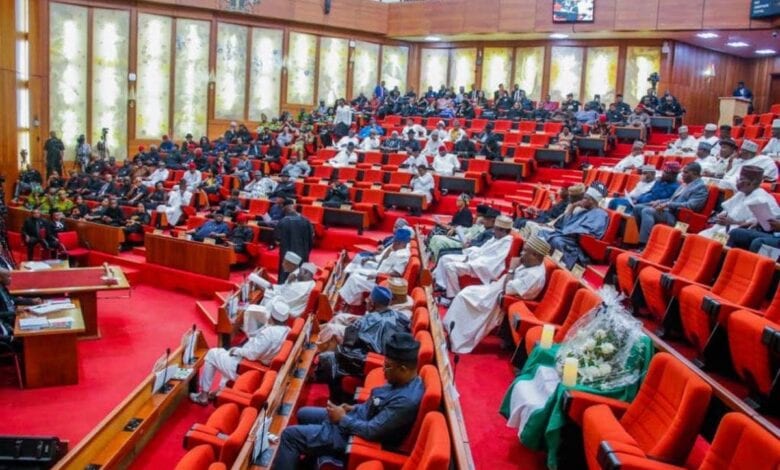
In what could become the boldest reform of Nigeria’s electoral calendar since 1999, the National Assembly has proposed that the 2027 general elections be conducted in November 2026, six months earlier than usual, to ensure that all election petitions are concluded before the May 29 handover date.
The proposal, unveiled at a one-day public hearing by the Joint Committee on Electoral Matters of both chambers, is part of sweeping amendments to the Electoral Act 2022 and complementary constitutional changes.
These changes are intended to end the recurring problem of leaders assuming office while their victories remain in dispute before the courts.
Chairman of the House Committee on Electoral Matters, Adebayo Balogun, said the shift in the electoral calendar was designed to allow the judiciary to complete all litigations before new administrations are sworn in.
“We are proposing to shorten the duration for election litigations. Tribunals will now have 90 days instead of 180 to deliver judgments, appellate courts 60 days, and the Supreme Court its own window within the 185 days. No case should spill beyond the handover date,” Balogun explained.
Under the proposal, presidential and gubernatorial elections must be held at least 185 days before the expiration of incumbents’ tenures, while national and state assembly elections would follow the same rule.
To make the changes legally binding, the committee plans amendments to Sections 76, 116, 132 and 178 of the Constitution, transferring the authority to fix election dates from the Constitution to the Electoral Act, thereby giving INEC more flexibility to manage logistics and respond to operational realities without repeated constitutional reviews.
Representing INEC, Prof Abdullahi Zuru, endorsed the plan, describing it as a decisive step toward electoral transparency and efficiency.
“Conducting elections earlier will improve planning, logistics, and the timely resolution of petitions. It will reduce post-swearing-in reversals and strengthen public confidence,” he said.
Civil society representatives and election observers also applauded the move, insisting that early elections and shorter judicial timelines will curb political tension and protect the integrity of the transition process.
The proposed legislation introduces several ground-breaking reforms, “Compulsory electronic voting and result transmission, section 60(5) which mandates presiding officers to transmit polling-unit results both electronically and manually, including the number of accredited voters.
“Stricter penalties: ₦1 million fine or one-year imprisonment, or both, for officials issuing unstamped ballots or result sheets. Early voting: Security personnel, journalists, election observers, and INEC officials on duty will vote up to 14 days before Election Day.
“Alternative voter verification: INEC may approve substitutes for the PVC in special circumstances. Stronger party regulation: Tougher sanctions for manipulation, obstruction of electronic systems, and undemocratic primaries.”
With less than two years to the next general elections, the National Assembly’s initiative signals a renewed determination to consolidate Nigeria’s democracy.
*Advocate next presidential and governorship elections be held in November 2026
If the proposals scale through legislative and constitutional hurdles, the November 2026 elections would give courts nearly six months to conclude all petitions, ending decades of disputed mandates and judicial uncertainty.
For reform-minded lawmakers, the message is unambiguous: no one should take the oath of office while still battling for legitimacy in court.