By Nathaniel Zacchaeus, Abuja
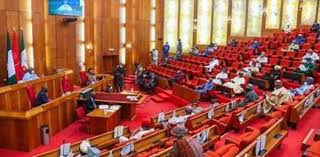
The Senate on Wednesday approved a major overhaul of Nigeria’s excise duty on sugar-sweetened beverages, scrapping the existing ₦10 per litre flat-rate tax and replacing it with a percentage-based levy tied to the retail value of products.
Lawmakers said the reform would strengthen revenue generation, correct distortions caused by inflation, and create a sustainable funding stream for the health sector, particularly in response to the country’s rising burden of non-communicable diseases.
Under the new framework, manufacturers of non-alcoholic, carbonated and sugar-sweetened beverages will no longer pay a fixed charge per litre. Instead, the Minister of Finance will determine a percentage levy based on prevailing economic conditions and global best practices.
The Senate also directed that a portion of revenue from the revised tax be channelled into health financing programmes, including primary healthcare services, disease prevention, health promotion, and expanded health insurance coverage for vulnerable Nigerians.
Lawmakers argued that the previous flat-rate system had been eroded by inflation and failed to reflect the actual sugar content of beverages, thereby weakening its public health impact and revenue efficiency.
They warned that Nigeria faces a fast-growing epidemic of diabetes, obesity, hypertension and cardiovascular diseases, driven largely by high sugar consumption and unhealthy dietary habits.
The chamber noted that the country’s health system remains under severe funding pressure and overly dependent on out-of-pocket spending, leaving many households exposed to catastrophic medical costs.
According to data presented during the report’s consideration, the Nigeria Customs Service generated over ₦108.6 billion in excise duties on sugar-sweetened beverages between 2022 and September 2025, underscoring the sector’s strong fiscal potential.
While some industry operators raised concerns about potential increases in production costs and job losses, lawmakers maintained that the long-term public health benefits outweighed short-term economic adjustments.
The Senate further referenced international models in countries such as South Africa, Mexico and the United Kingdom, where sugar taxes have reduced consumption and improved health outcomes.
It also cited guidance from the World Health Organisation (WHO), which recommends that sugar-sweetened beverage taxes raise retail prices by at least 20 per cent to reduce consumption effectively.
To ensure effective implementation, the Senate mandated the Minister of Finance to set an appropriate percentage levy aligned with global standards and Nigeria’s fiscal realities.
It also urged the Federal Government to strengthen enforcement, improve stakeholder engagement, and complement the tax reform with public awareness campaigns, clearer nutrition labelling, and tighter restrictions on marketing unhealthy products to children.
Lawmakers said Nigeria must begin to treat health-related taxes not just as revenue tools but as strategic instruments to reduce long-term healthcare costs and improve national productivity.
They added that aligning fiscal policy with public health priorities would help reduce the growing burden of non-communicable diseases, which now account for a significant share of illness and death in the country.