By Nathaniel Zacchaeus, Abuja
The Senate, at the weekend, explained that the recently passed tax reform bills, when signed into law by President Bola Tinubu, would enable Nigeria to achieve a $1 trillion economy.
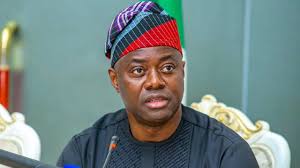
The Chairman of the Senate Committee on Finance, Senator Sani Musa, disclosed this in an interview with journalists in Abuja.
Musa also said the fiscal reforms would eliminate the burden of multiple taxation in the country.
He stated that President Bola Tinubu’s administration is committed to economic transformation through streamlined tax policies, fiscal transparency, and structural reforms.
He said, “President Tinubu while addressing a joint session of the National Assembly last Thursday, expressed his vision not only to showcase the strength of our democracy but also to reshape the Nigerian economy for the better.
“One of the most significant policy shifts is the elimination of overlapping levies, which previously included as many as 73 different taxes from federal, state, and local authorities. Now, we have streamlined them. Nigerians will no longer face the burden of paying multiple taxes.
“A key highlight of the reforms is the exemption of low-income earners from personal income tax. If you are earning less than a million naira annually, you will not pay any tax,” he said, noting that this change directly benefits the working class and small business owners.
Musa said, “The reforms also maintain current rates for Value Added Tax (VAT) at 7.5% and corporate income tax at 30%, ensuring stability in the tax environment while enhancing compliance and reducing evasion.
In a move to consolidate government revenue and curb corruption, the Senator revealed that all revenue streams are now being directed through a unified window.
He said, “We are closing leakages. Government revenues that previously went unaccounted for are now being captured under one roof. The oil and gas sector, long plagued by inefficiencies and revenue loss, is also undergoing structural adjustments.
“New measures have been implemented to improve how royalties are calculated and collected, plugging loopholes that previously enabled massive revenue shortfalls. In the country’s free trade zones, previously exploited by importers avoiding customs duties, the government has tightened controls.
“If you bring more than 25% of your goods into Nigeria from the free zones, you must now pay the same tax as any other manufacturer,” Musa declared.
He said, “These reforms are not just fiscal adjustments but signs of Nigeria’s democratic maturity and economic ambition. We believe there is no better time to reaffirm our commitment to democracy than now. These changes are foundational.
“Before the end of President Tinubu’s tenure, we are confident Nigeria will be on track to become a one trillion dollar economy.”