By Nathaniel Zaccheaus, Abuja
Leader of the Senate, Senator Opeyemi Bamidele, has defended the controversial State Police Bill, insisting that the constitutional amendment was compelled by Nigeria’s escalating security crisis rather than political considerations.
Bamidele said the proposal, which the Senate passed as part of the ongoing constitutional amendment process, emerged from years of nationwide consultations and broad stakeholder engagement aimed at addressing worsening insecurity nationwide.
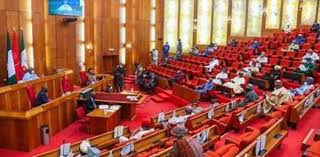
The Senate recently approved the bill to establish a state police after years of national debate over the country’s centralised policing system, which many security experts argue has struggled to effectively respond to rising cases of terrorism, banditry, kidnapping, communal violence and other violent crimes.
The proposal will now require the endorsement of at least two-thirds of the 36 State Houses of Assembly before it can become part of the Constitution.
In a statement issued in Abuja on Sunday, Bamidele said attempts to portray the reform as a political project ignored the circumstances that gave birth to the legislation.
“The State Police Bill is a child of necessity, not political expediency. It is a product of national consensus and not cynicism,” the Senate Leader declared.
He acknowledged concerns expressed by some Nigerians who fear that state governors could abuse state police for political purposes or that the country could return to the excesses associated with regional policing under the First Republic.
According to him, while such concerns were legitimate and had enriched public discourse, they should not distract from the urgent need to strengthen Nigeria’s security architecture.
Bamidele explained that the proposal did not originate with the current National Assembly but evolved through memoranda submitted by Nigerians during the constitutional review process.
He disclosed that because of the sensitivity of the issue, lawmakers embarked on extensive consultations with the Executive, the Nigeria Governors’ Forum, the Conference of Speakers of State Legislatures and the leadership of the Nigeria Police Force before the bill was brought to the floor of the Senate.
The Senate Leader further revealed that public hearings held across the six geopolitical zones in July 2025 recorded overwhelming support for establishing state police, with participants describing decentralised policing as a practical response to the country’s growing security challenges.
He added that the Nigeria Police Force also submitted a detailed memorandum supporting the initiative and proposing accountability measures that were eventually incorporated into the bill.
According to him, those constitutional safeguards were deliberately designed to prevent political interference, ensure professionalism and guarantee effective oversight of state police services.
Bamidele stressed that the legislation also enjoyed overwhelming bipartisan support in the National Assembly, describing the outcome as evidence that lawmakers placed national security above political affiliation.
“Eighty-four out of the 109 senators voted in support of the bill. That level of support reflects a shared national commitment to strengthening our security architecture, not partisan interest,” he said.
He maintained that members of opposition parties joined senators of the ruling All Progressives Congress (APC) in supporting the proposal due to the urgent need to improve security across the federation.
The Senate Leader urged political leaders, civil society organisations and other stakeholders to approach the debate with patriotism and objectivity, stressing that insecurity remains a collective national challenge that demands practical solutions.
While affirming critics’ right to oppose the proposal, Bamidele challenged them to offer workable alternatives to address the country’s worsening security situation.
“Security should unite us, not divide us. Those who disagree with the State Police Bill should also present practical alternatives that will better protect the lives and property of Nigerians,” he said.
He expressed confidence that the proposed constitutional amendment, if eventually ratified by the required number of state legislatures, would significantly strengthen intelligence gathering, improve community policing and enhance the country’s capacity to respond swiftly to emerging security threats.
Bamidele maintained that the reform had become an unavoidable national imperative, insisting that Nigeria could no longer rely solely on a centralised policing structure to confront increasingly complex security challenges.