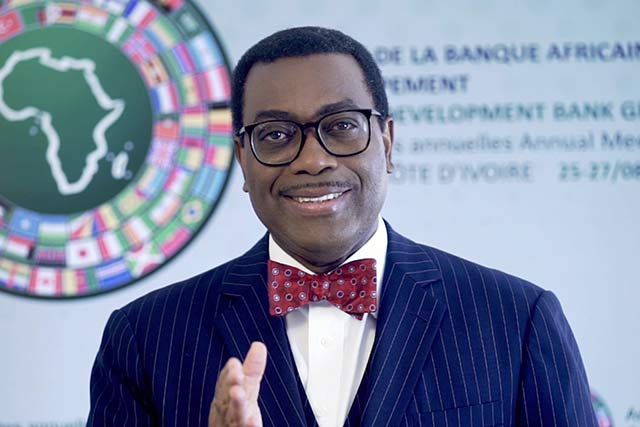
By Francis Ajuonuma
The President of the African Development Bank (AfDB), Dr Akinwumi Adesina, has called on African nations to end the export of raw materials if the continent is to overcome poverty and underdevelopment.
According to data from the Office of the US Trade Representative and other multilateral institutions, Africa accounts for less than two per cent of global manufacturing.
In a post shared yesterday via his official X handle, Adesina stressed the need for Africa to shift from being a supplier of unprocessed commodities to a producer of value-added goods.
“Africa must end the exports of its raw materials. The export of raw materials is the door to poverty. The export of value-added products is the highway to wealth. And Africa is tired of being poor,” he wrote.
Despite being home to the world’s most sought-after raw materials, Africa’s share of global trade remains under three per cent. Efforts to change this narrative have gained momentum in recent years. Initiatives such as the African Continental Free Trade Area (AfCFTA) are designed to enhance intra-African trade, boost manufacturing, and encourage value addition across sectors.
Adesina has consistently advocated for policies promoting agro-industrialisation, energy expansion, and improved infrastructure to transform Africa’s economies.
Last week, Adesina criticised the disproportionate allocation of the International Monetary Fund’s (IMF) Special Drawing Rights (SDRs), revealing that Africa received just $33bn, only 4.5 per cent of the $650bn issued globally.
The AfDB president stressed that the SDRs’ distribution model failed to reflect Africa’s urgent financial needs, which bore some of the deepest economic scars from the pandemic, with limited fiscal capacity to implement a robust recovery plan.
To address this imbalance, Adesina disclosed that the AfDB, in partnership with the African Union, spearheaded efforts to re-channel unused SDRs from wealthier nations to African economies. Leveraging the AfDB’s AAA credit rating, the IMF Board has approved a new framework co-developed with the Inter-American Development Bank (IDB).