By Lemmy Ughegbe
In what is quietly shaping up to be a revolution in Nigeria’s healthcare sector, the Federal Government has inaugurated three world-class oncology and diagnostic centres in the North-West, South-East, and South-South zones of the country.
The centres—located at the Federal Teaching Hospital, Katsina; University of Nigeria Teaching Hospital, Enugu; and University of Benin Teaching Hospital are equipped with some of the most advanced radiotherapy and diagnostic machines available globally, signalling a bold and unprecedented shift in the nation’s fight against cancer.
Each centre is equipped with cutting-edge technology, including TrueBeam and Halcyon Linear Accelerators, 3D High Dose Rate (HDR) Brachytherapy Machines, CT Simulators, Dosimetry Tools, and Treatment Planning Systems.
Together, they are projected to treat over 2,000 cancer patients annually, provide diagnostic services for up to 350,000 clients, and train at least 500 specialised personnel over the next three years. This ambitious investment lays the foundation for what may soon become the largest oncology and diagnostic network in West Africa.
The significance of this development cannot be overstated. Cancer has become a silent epidemic in Nigeria. With over 127,000 new cases recorded annually and nearly 80,000 lives lost each year in Nigeria, the urgency is real.
For decades, the country’s radiotherapy infrastructure has been grossly inadequate, forcing patients to wait endlessly, travel across borders, or abandon treatment altogether due to distance and cost. These newly commissioned centres offer more than just infrastructure—they offer renewed hope, access, and a chance at survival.
Commendably, the Federal Ministry of Health has focused on delivering results rather than chasing headlines. Under the leadership of Health Minister Professor Muhammad Ali Pate, the priority has been to ensure that the proper infrastructure is in place and functional, modern, and well-distributed.
This focus on substance over show is admirable. Professor Pate can focus on delivering the said infrastructure because he knows his counterpart in the Ministry of Information and National Orientation, Mohammed Idris Malagi, will be on the ground to amplify these achievements. And rightly so.
At the commissioning ceremony in Katsina, Malagi, demonstrating a customary clear grasp of the link between governance and public perception, highlighted the Federal Government’s commitment to improving healthcare delivery and urged Nigerians to take ownership of these new facilities.
His intervention has not only projected the administration’s vision but also reinvigorated public conversation around access to cancer treatment. It is a prime example of how collaborative governance can yield results: while one arm builds, another tells the story.
Equally commendable is the strategic thinking behind the location of the centres. By placing them in Katsina, Enugu, and Benin, the government has taken meaningful steps toward addressing long-standing regional disparities in healthcare infrastructure.
Northern Nigeria, in particular, has historically been under-equipped in oncology services. The installation of a 3D HDR Iridium Brachytherapy Machine, the second of its kind in the country, at the Katsina centre is a significant gesture toward correcting that imbalance, bringing life-saving technology closer to underserved populations.
These machines are not just symbols of technological advancement; they are instruments of dignity and equal opportunity in healthcare. To safeguard their functionality, each centre is equipped with robust energy infrastructure, including two high-capacity generators, upgraded transformers, and solar energy systems.
This layered approach to power supply is critical, given the sensitivity of radiotherapy machines and Nigeria’s chronically unreliable electricity grid. It reflects a depth of planning often missing from past public health interventions.
Yet beyond machines, treatment rooms, and power systems lies another pressing but often overlooked issue – the mental and emotional toll of cancer. A diagnosis is not just a medical crisis; it is a psychological earthquake. Patients and their families face fear, depression, anxiety, and, too often, silence.
Nigeria suffers from a severe shortage of professionals trained in trauma, depression, and psycho-social oncology. Clinical psychologists, trauma counsellors, and palliative mental health specialists are largely missing from the oncology ecosystem.
This is a gap that must be closed urgently. Cancer centres should not only treat the body but also care for the mind and soul. Governments at the federal and state levels should create incentives for universities to develop specialised tracks in psycho-oncology, sponsor students into these fields, and integrate psychological services as core components of cancer treatment. Healing is incomplete without emotional wellness.
Still, the broader vision remains encouraging. According to senior government officials, the remaining three geopolitical zones—North-East, North-Central, and South-West are next in line to receive their own fully equipped oncology and diagnostic centres.
The plan is to ensure that no Nigerian is left too far from access to life-saving care. If implemented fully, this zonal oncology network will rank among the most ambitious health infrastructure expansions on the continent.
In a further show of sensitivity to public need, the government has stated that treatment at these centres will be offered at a giveaway price—almost free. This is an extraordinary commitment that, if kept, could drastically change the survival odds for thousands. However, this promise must be accompanied by transparency and follow-through. Civil society, the media, and citizens must hold the system accountable to ensure this affordability is real, sustainable, and not lost to bureaucratic drift or bottlenecks.
The success of this initiative now hinges on its sustainability. Machines are only as effective as the people who operate them. Nigeria continues to face a dire shortage of oncology specialists, radiation oncologists, medical physicists, radiotherapy technicians, and oncology nurses.
Without swift and strategic investment in human capacity development, these sophisticated machines risk being underutilised or left idle. The same must be said for maintaining and servicing these machines: it requires planning, predictable funding, and coordination.
Moreover, cancer treatment is not a one-off intervention. It is a continuum that spans early detection, diagnosis, treatment, follow-up care, and, where necessary, palliative support. These centres must therefore be integrated into a comprehensive national cancer control framework. This involves strengthening primary healthcare systems to promote early screening, investing in awareness campaigns, and implementing digital health records to ensure better continuity of care.
At present, many cancer patients in Nigeria are forced to pay out-of-pocket for treatment, an often devastating financial burden. The National Health Insurance Authority (NHIA) must rise to the moment by fully integrating oncology services into its coverage. If the government is serious about reducing cancer mortality, it must ensure that cost does not remain a barrier to care. No one should have to choose between life and livelihood.
What makes this development especially powerful is that it defies the entrenched cynicism that has long characterised public life in Nigeria. It is proof that good things can happen deliberately, effectively, and without noise. It is a reminder that when political will aligns with professional execution, public policy can deliver results that save lives. It is also a call to action, a call to build on this progress, communicate it widely, and ensure that it endures.
The battle against cancer will not be won in a single day, a single term, or even a single administration. It demands consistency, funding, coordination, and unwavering political will. The Tinubu administration has made an impressive start. It now falls to all stakeholders, including government agencies, professional bodies, civil society, private investors, and indeed, every Nigerian, to sustain the momentum and transform these foundations into a lasting legacy.
These new centres are not just buildings with expensive equipment. They are monuments of hope. They symbolise a nation choosing to invest in its people, choosing to fight for life, and choosing to make silence no longer an option. The silence has been broken. Let the progress now speak for itself.
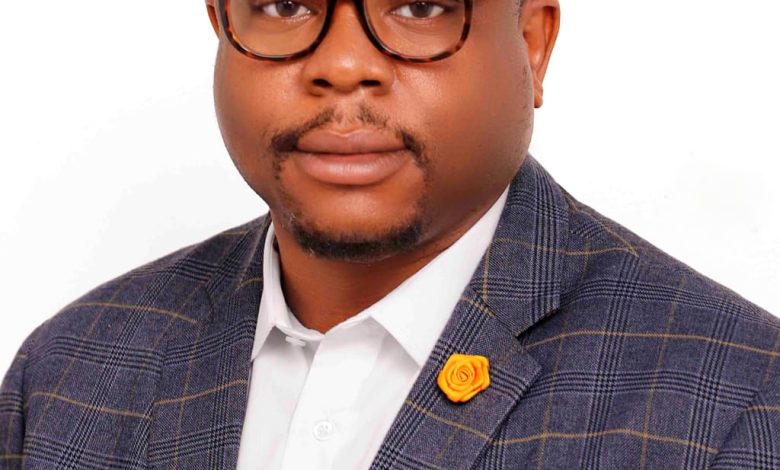
Lemmy Ughegbe, ANIPR, writes from Abuja
Email: lemmyughegbeofficial@gmail.com
WhatsApp ONLY: +2348069716645