Politics
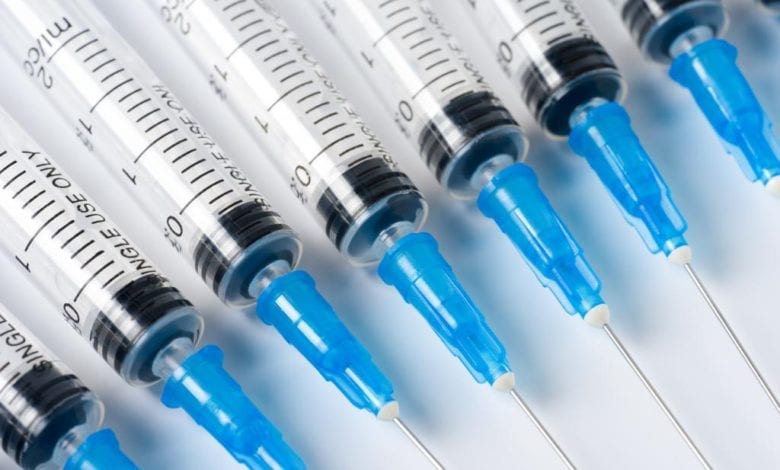
Senators raise an alarm over importation of 1bn syringes annually
Say Customs refused to enforce 75% duty on used syringes, others

By Andy Asemota
The Senate has warned that an estimated one billion units of syringes and needles per annum are being imported into the country despite Nigeria’s capacity to produce 1.6 billion units annually.
A motion to regulate the manufacturing, importation and use of syringes and needles to protect the lives and safety of Nigerians as well as the economy introduced by Senator Yahaya Oloriegbe and his co-sponsor, Sent Sadiq Umar on Wednesday opposed the indiscriminate importation of syringes and needles making Nigeria to lose huge foreign exchange.
The senators expressed worry that most of the imported syringes were “substandard, unsafe(used and rewashed syringes from Asian Continent)” hence endangering the lives, health and safety of Nigerians.
In their estimations, the investment in the sub-sector is about N64 billion with a potential market value of about N100 billion that could be created locally, engaging about 3000 Nigerians directly and saving Nigeria about 150 million dollars in foreign exchange requirement per annum.
FG opens Savings Bond for subscription at N1,000
Their further argument: “The estimated requirement of syringes and needles in the country is one and a half to two billion units per annum while certified and approved local manufactures of syringes and needles in Nigeria by NAFDAC have capacity to produce 1.6 billion units per annum with a potential to produce 2.4 billion units per annum if provided with favourable business environment.”
Consequently, the Senate resolved to direct its committees on health, trade, investment and customs to conduct investigation on the state of manufacturing, importation and policy guideline for syringes and needles in Nigeria by inviting the Federal Ministry of Health, NAFDAC, Federal Ministry of Trade and Investment, Nigeria Custom
Services, manufacturers of syringes and needles and any other relevant persons or bodies.
In addition, the Red Chamber insisted that its committees on health (secondary and tertiary) should invite the health ministry to provide explanation on the policy for the procurement and utilization of syringes and needles by federal, state and privately-owned hospitals and agencies of the ministry.