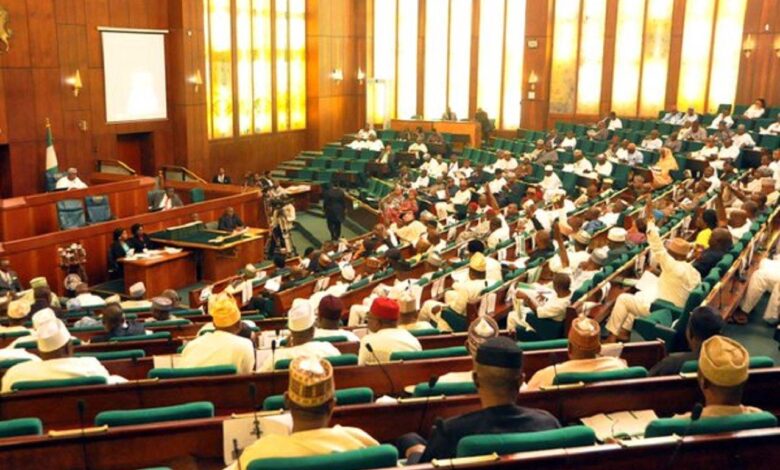
The House of Representatives Committee on Financial Crimes has recommended the arrest of the Chief Executive Officer of Bianace Holding Ltd over alleged tax invasion and money laundering in Nigeria.
The recommendation followed a motion by Rep. Isah Dogonyaro (APC- Jigawa state) at a public hearing on Monday in Abuja.
The hearing was on a petition by Empowerment Fund for Nigerian Youth Initiative and the Niger Delta Youth Council of Nigeria on several crimes allegedly committed by Bianance.
Binance is an online financial company, operating in the cyber space of Nigeria for more than six year with not less than 20 million Nigerians on the platform.
Moving the motion, Dogonyaro said that the committee earlier invited the CEO of Binance to appear and respond to questions on terrorism, tax invasion and money laundering against the company but failed to appear.
He said that the committee gave another chance to enable the Bianance executive appear on March 4, 2024 but have refused appear again.
According to him, the refusal to appear is an insult on this committee and on the Nigerian people.
In his response, the Legal Council to Bianance, Mr Senator Ihenyen said that the company had responded in writing to all the allegations leveled against the company.
He said that the company was also ready to provide more answers in writing if the need arises in the cause of the hearing.
Ihenyen, however, explained that the company was concerned over the safety it’s officials in Nigeria following the recent arrest of two senior officials of the company.
The counsel explained that two top officials of the company who came to Nigeria were arrested by the office of the National Security Adviser.
In his ruling, your Chairman of the committee, Rep. Ginger Obinna (LP-Abia) said that the committee had taken a position on it’s last sitting not to entertain legal representation from Binance.
He said that the leadership of Binance should be arrested and be brought to the committee to answer questions of the grave allegations leveled against the company in a petition brought to the committee.
“This committee has resolved to recommend to the house to invoke its constituonal powers by issuing a subpoena and a warrant for Binance executives to be arrested and brought to this committee to answer these questions on terrorism, money laundering and other financial crimes as stated in the petition including evasion of tax,” he said.
The chairman thanked the petitioners for unearthing the grievous financial crimes and the exploitation of 20 million young Nigerians in the last six years. (NAN