By Nathaniel Zaccheaus, Abuja
The Senate Committee on the Review of the 1999 Constitution is set to host a landmark 2-day public hearing across Nigeria’s six geo-political zones, inviting citizens to weigh in on sweeping constitutional amendments that could reshape the nation.
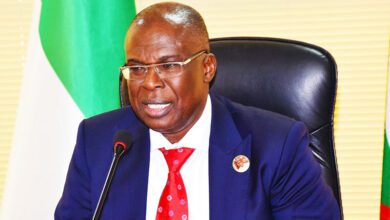
Led by Deputy Senate President Senator Barau Jibrin, the hearings will simultaneously take place in Lagos (South-West), Enugu (South-East), Ikot-Ekpene (South-South), Jos (North-Central), Maiduguri (North-East), and Kano (North-West) on July 4th and 5th, 2025.
This critical nationwide consultation will focus on pressing issues, including local government autonomy, electoral reforms, judicial efficiency, the establishment of state police, and inclusive governance.
This was contained in a statement yesterday by the Special Adviser on Media and Publicity to the Deputy Senate President, Ishmail Mudashir and made available to journalists in Abuja.
*Nigerians to shape landmark reforms on LG autonomy, security, gender equity, state creation
Among key proposals is the drive to grant full autonomy to Nigeria’s 774 Local Government Councils by establishing them as an independent tier of government, alongside the creation of a National Local Government Electoral Commission (NALGEC) to oversee local elections.
Security reforms are also on the table, with bills proposing the establishment of state police forces and state security councils to enhance internal security coordination at the sub-national level.
Fiscal reforms will also be examined, including empowering the Revenue Mobilisation, Allocation, and Fiscal Commission (RMAFC) to enforce revenue remittance compliance and streamline revenue allocation processes, as well as setting clear timelines for budget presentations by presidents and governors.
A bold push for gender equity will see consideration of a bill to increase women’s representation in National and State Houses of Assembly.
The Committee will also explore strengthening traditional institutions by establishing councils for Traditional Rulers at national, state, and local levels.
Electoral reforms include a proposal to allow independent candidacies at all levels—from local councils to the Presidency—and a bill to enable diaspora voting, empowering Nigerians abroad to participate in elections.
More than 20 bills targeting judicial reforms will be discussed, including measures to enforce the timely delivery of judgments and expand the jurisdiction of election tribunals.
In a historic move towards true federalism, the Committee will deliberate on transferring key legislative powers, such as labour and shipping, from the Exclusive to the Concurrent Legislative List.
Finally, the Senate will consider 31 requests for new state creation, reflecting widespread demands for political restructuring across all regions.
Jibrin emphasised that public participation is crucial in shaping Nigeria’s constitutional future and urged every Nigerian to engage actively in these zonal hearings.
This unprecedented nationwide consultation marks a pivotal step toward a more inclusive, democratic, and responsive Nigerian Constitution.