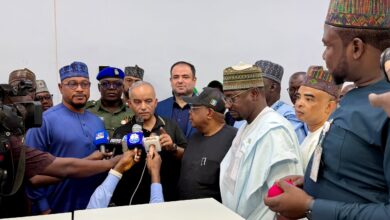
Imo State Governor, Hope Uzodimma, on Wednesday unveiled a sweeping increase in the minimum wage, from N70,000 to N104,000—for civil servants, marking the highest wage floor among Nigerian states.
Alongside, he approved N16 billion to settle outstanding gratuities for pensioners, describing both decisions as decisive steps to honour workers and retirees.
The gathering at Government House, Owerri, reverberated with jubilation as labour leaders, including NLC Chairman Uchechigemezu Nwigwe and TUC Chairman Uchenna Ibe, broke into solidarity songs and celebrated the announcement as a long-overdue victory for Imo’s workforce.
Yet, this celebratory moment was tempered by caution from seasoned voices in governance and economic analysis.
Joe Ajaero, President of the Nigeria Labour Congress and a leading figure in the 2024 general strike, has frequently highlighted the dangers of wage promises not grounded in economic reality.
This time, many observers echoed that sentiment, applauding the bold gesture but warning that without a sustainable revenue strategy, Imo risks falling into the same cycle of wage arrears and pension backlogs it claims to address.
“The intention is commendable, but unless the state significantly grows its internally generated revenue, this could collapse under its own weight,” said one analyst familiar with Imo’s long-standing fiscal challenges.
These concerns resonate with broader scepticism that the move, while politically popular, may strain the state’s finances in the absence of structural reforms.
The wage increase arrived a year after President Tinubu signed the national minimum wage law in July 2024, setting the federal benchmark at N70,000.
Since then, various states, Lagos (N85,000), Akwa Ibom, Bayelsa (N80,000), Enugu, and Osun (N75,000), have exceeded the national floor. Yet, Imo’s N104,000 leap outpaces them all by a wide margin.
For many workers and pensioners, Uzodimma’s move offers long-awaited relief.
For critics, the real question remains whether the state’s finances can sustain this level of commitment—or if it will become another impressive headline destined to falter under economic reality.