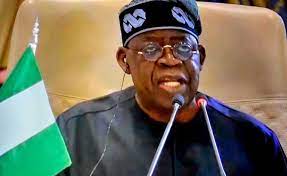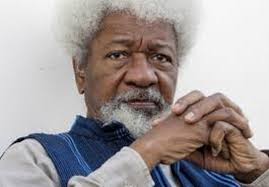
Speaking during an interview on Roadmap 2023, a Channels Television’s programme that highlights election issues and tracks personalities, Soyinka said the government of President-elect, Bola Tinubu, must place a renewed focus on the persistent calls for restructuring the Nigerian federation, otherwise its programmes and policies will face serious challenges.
He said, “Whomever it is must understand that the people of this country will not cease demanding a restructuring of this nation.
Controversy trails alleged Oyedepo-Obi leaked tape on election
“New voices are being heard and they are more powerful than before. They are not just whining voices; they are voices based on actualities. We have failed in so many directions and they are saying, ‘let us try in this direction’ and you cannot ignore it.
“Otherwise, even your economic policies will fail, your infrastructure and transformation will fail. We will just go back threading the same old spur.”
According to Soyinka, a mould has been broken during the just concluded elections.
Recall that restructuring has been on the front burner of the country’s existence since the time of the aborted third republic when the progressives and other like minds vehemently pressed for a total restructuring of the country and define how its people of different shades, tongues, tribes, beliefs, and ideas will live together without anyone dominating the other.
Restructuring is a constitution review strategy aimed at bringing government as closely as possible to the people at the grass roots. The whole idea of restructuring, some say, is to achieve unity of objective, efficiency, and effectiveness by creating and locating significant political, economic, social, technological, educational, and legal units as near as possible to the people at the grass roots.
To some proponents, restructuring is not a return to regionalism, and it does not suggest disintegration. It also does not mean breaking up the nation neither has it got anything to do with the possibility of rolling back the 36 states and Abuja to three or four regions, using the 1954 Republican constitution.
To others like the president elect, Bola Tinubu, restructuring entails fiscal federalism where the federating units of the country will be empowered by the constitution to control whatever resources domicile in their domains and pay a percent of tax to the central government to maintain the federation. It simply means resource control to some agitators of restructuring.