No fewer than 55 million people globally are living with dementia, and that number continues to grow, according to a new report launched by World Health Organisation (WHO) on Thursday.
WHO, in the report, titled “Global Status Report on the Public Health Response to Dementia’’, stated that only one-quarter of the world’s countries have national policies, strategies, or support plans in place.
According to the report, European Region hosts half of all countries offering effective support for people living with dementia.
Yet, even in Europe, many plans are expiring or have already expired, indicating a need for renewed government commitments.
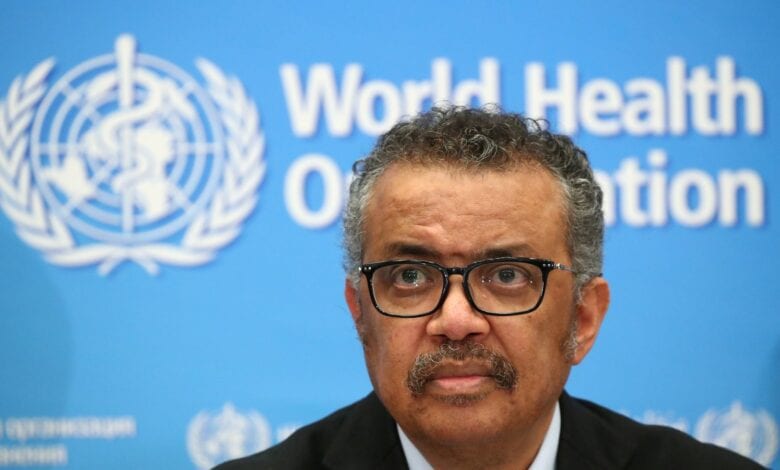
“Dementia robs millions of people of their memories, independence, and dignity, but it also robs the rest of us of the people we know and love,” WHO Director-General, Dr. Tedros Ghebreyesus, said in a statement.
Dementia is caused by a variety of diseases and injuries that affect the brain, such as Alzheimer’s disease or stroke. It affects memory and other cognitive functions, as well as the ability to perform everyday tasks.
“The world is failing people with dementia, and that hurts all of us. Four years ago, governments agreed on a clear set of targets to improve dementia care. But targets alone are not enough,” the director-general said.
The disability associated with dementia is a key driver of costs related to the condition. In 2019, the global price tag was estimated at US$1.3 trillion – a number that is projected to rise to US$1.7 trillion by 2030 or US$2.8 trillion if care costs are included.
At the same time, the report explains that the number of people living with dementia is growing.
WHO estimates that 8.1 percent of women and 5.4 percent of men over age 65 currently live with the condition – and is estimated to rise to 78 million by 2030, and to 139 million by 2050.
“We need concerted action to ensure that all people with dementia are able to live with the support and dignity they deserve,’’ the WHO chief said.
Support in terms of caring for people with dementia and those who provide that care must be strengthened at national levels in both formal and informal settings layout the report.
This includes community-based services as well as specialists, long-term and palliative care.
While 89 percent of countries reporting to WHO’s Global Dementia Observatory (GDO) say they provide some community-based services for dementia, high-income nations provide medication, hygiene products, assistive technologies, and household adjustments, with a greater level of reimbursement.
The type and level of services provided by the health and social care sectors also determine the level of informal support that is primarily provided by family members, the report notes, adding that social care costs make up over a third, informal care accounts for about half the global cost of dementia.
In low and middle-income countries, 65 percent of the costs are attributable to informal care while that number drops to approximately 40 percent in richer countries.
Zamfara assembly seeks more efforts from FG to tackle insecurity
A series of unsuccessful clinical trials for treatments combined with high research and development costs have led to a reluctance to carry out further studies.
However, the GDO shows that funding has increased recently in the United Kingdom, United States, Canada, and other high-income countries, including an annual investment in US Alzheimer’s disease research from US$631 million in 2015, to an estimated US$2.8 billion in 2020.