By David Lawani, Abuja
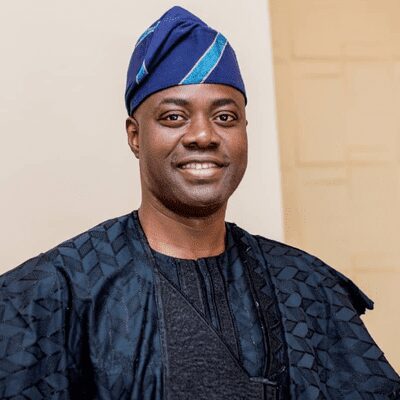
A political storm has erupted between the ruling All Progressives Congress (APC) and the opposition Peoples Democratic Party (PDP) following Oyo State Governor Seyi Makinde’s controversial “Operation Wetie” remarks at the National Summit of opposition political party leaders in Ibadan, where opposition leaders also intensified coalition talks ahead of the 2027 general elections.
The summit, attended by prominent opposition figures including former vice president, Atiku Abubakar, former Labour Party presidential candidate, Peter Obi, former Kano State governor, Rabiu Kwankwaso, former Rivers State governor, Rotimi Amaechi, former Osun State governor Rauf Aregbesola, political economist Pat Utomi, and elder statesman Jerry Gana, focused on strengthening opposition unity, safeguarding Nigeria’s democratic structure, and forging a common front against President Bola Tinubu in the next presidential election.
However, Makinde’s warning, which referenced the infamous “Operation Wetie” political violence of the old Western Region, quickly overshadowed the summit’s broader democratic message and triggered immediate backlash from the APC.
“For those carrying on as if there’s no tomorrow, they should remember that ‘Operation Wetie’ started from here,” Makinde said, cautioning against what he described as dangerous political repression and the erosion of democratic competition.
The APC, in a strongly worded statement by its National Publicity Secretary, Felix Morka, condemned the governor’s remarks as reckless, inflammatory, and dangerous.
“Governor Makinde’s rhetoric goes beyond opposition politics. It is reckless, irresponsible, and capable of fuelling anarchy, widespread lawlessness, and undermining Nigeria’s democratic order,” the ruling party stated.
According to the APC, Makinde’s comments were particularly troubling given his position as a sitting governor and chief security officer.
“It is shocking that a public official entrusted with maintaining peace would invoke one of Nigeria’s darkest political episodes in a manner that could incite instability. This constitutes a clear and present danger to national unity and democratic peace,” the APC added.
The party further called on security and intelligence agencies to remain vigilant, warning that constitutional immunity should not shield statements that threaten public order or national security.
APC also rejected claims by opposition leaders that Nigeria is drifting toward a one-party state, insisting that the challenges facing opposition parties stem largely from internal crises, weak leadership, and factional divisions rather than any orchestrated democratic suppression by the Federal Government.
*‘It’s a warning against repression, not a threat’- Oyo gov’s camp
But Makinde and the PDP dismissed the APC’s accusations, insisting that his comments were historical caution rather than incitement.
Addressing participants at the summit, Makinde clarified that the gathering was neither a political gang-up against President Tinubu nor a platform for personal ambition.
“Let me be clear: this is not a gang-up against one man, and it is not about individual ambitions to be president. It is about the collective ambition of the Nigerian people to have a democracy properly defined,” he said.
The Oyo governor maintained that the summit’s true objective was to preserve democratic plurality and prevent the collapse of credible opposition politics.
“Democracy without opposition is not democracy; it is a slow drift toward a one-party state, and Nigeria must not make that drift,” Makinde declared.
He further stressed that the weakening of opposition voices, whether by deliberate design or systemic neglect, could have grave consequences for Nigeria’s democratic future.
“The truth is simple. No matter how strong any party becomes, the presence of credible opposition is not a threat to democracy; it is what sustains democracy,” he added.
In its response, the PDP accused the APC of deliberately twisting Makinde’s comments for partisan advantage.
PDP National Publicity Secretary, Ini Ememobong, said the governor merely used historical reference as a warning against political repression.
“The use of history by Governor Makinde served as a caution against democratic suppression. Only a guilty aggressor could distort such a warning into incitement,” the PDP stated.
The opposition party argued that growing attempts to weaken alternative political voices, centralise power, and suppress dissent posed a more serious threat to Nigeria’s democracy than Makinde’s comments.
At the summit, opposition leaders also resolved to work toward presenting a united presidential candidate in 2027 while calling for urgent electoral reforms, including extending INEC’s primary deadlines and amending aspects of the Electoral Act they believe could undermine electoral credibility.