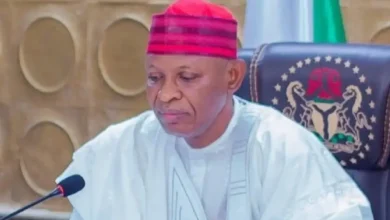
Senator Ndubueze’s Local Automotive Patronage Bill 2025 passes second reading in Senate


A Bill seeking to compel Ministries, Departments, and Agencies (MDAs) of governments at all levels to patronize locally manufactured vehicles in Nigeria passed the second reading at the Senate on Thursday May 15, 2025.
The Bill titled “Local Automative Patronage Bill-2025”, sponsored by distinguished Senator Patrick Ndubueze (FNSE), representing Imo North and introduced in October 2024 passed it’s second reading at no less auspicious time as the period President Tinubu is rolling out his all-important and widely acclaimed “Renewed Hope Nigeria First Policy” to be soon backed by an Executive Order of the Presidency.
The Order will mandate all ministries, departments and agencies to give absolute priority to Nigerian goods, services and know-how when spending public funds.
At the plenary, Senator Ndubueze in his lead debate reinforced the President’s thinking by stating inter alia,”…it is important that goods and services are produced locally,as it’s ripple effect is a reduction in import and a rise in export,with regards to the nation’s balance of trade”.
The Senator who has never hidden his aversion to the nation’s several years of poor support to local production capacities, stridently called on his colleagues in the National Assembly to buy into this laudable initiatives as captured in the Bill.
He went further to state that the country has failed to institutionalize the use of indigenous brands as is the case in countries like China, India and Malaysia that have since banned the importation of cars as a national policy, for the purpose of growing domestic industries.
He reminded his colleagues that “today those countries have perfected their local processes and we are presently importing their products,some of which cannot compete with our locally manufactured vehicles”.
Ndubueze also revealed that over the years 54 Automative manufacturing licenses have been issued by the Nigerian government, noting that only six companies remain operational largely due to dearth in foreign exchange and poor infrastructure.
The Senator regrets the fact that many automobile firms have moved to neighboring countries like Ghana where they are establishing plants with production targeted at Africa’s largest automobile market Nigeria.
Senator Ndubueze further said with the poser: “How do we stem the free fall of the naira if we cannot address our appetite for foreign goods?”.
“How do we support the development of indigenous brands if the biggest spender(government),year on year, refuses to buy made-in-Nigeria goods?”.
He went on to make a proposal of a minimum of 75 per cent of vehicles in the first instance, procured by public officers and civil servants to be locally manufactured (not just assembled), as it is the first serious step to saving our economy, protecting our currency, and creating jobs for our daily growing statistics of the employed.
Ndubueze continued with a salient recommendation that only firms with at least 70 per cent Nigerian workforce, 75 per cent local research and development(R&D) budget, and technology such as robotics painting machines and electrophoresis systems should qualify as local manufacturers.
The Bill which has already gained substantial traction amongst other senators, whom in their respective complimentary contributions to the debate made very favourable supporting comments later referred it to the Senate Committee on Public Procurement for further legislative scrutiny, and feedback expected within the next four weeks.
Reacting to the event of the day right after the plenary, a former member of the House of Representatives Hon Chidi Nwogu commended Senator Ndubueze for his unwavering diligence in pursuing the actualization of this crucial Bill,and moreso his praiseworthy presentation during the lead debate.
He correlated the main meat of the debate with the position and recent announcement of the Minister of state of Industry Senator John Enoh, that Nigerian the President’s “Nigerian First Policy” is geared towards injection of well over N3 Trillion into the national economy (of which the local automobile industry will be a major contributor), as it aims to patronizing local content and indigenous enterprises, which will eventually strengthen domestic production and reduce import dependency.