Atiku’s aide faults FG, police over handling of Mary Habila, Dolapo Tanimola’s deaths


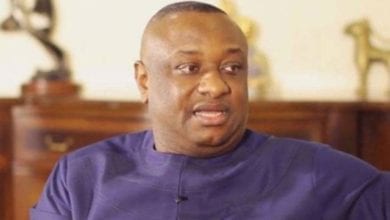
Paul Ibe, media aide to presidential candidate of the African Democratic Congress, Atiku Abubakar, has criticised the Federal Government and the Nigeria Police Force over what he described as their failure to properly investigate the deaths of Mary Habila and Dolapo Babatunde Tanimola.
The media aide insisted that both cases required criminal investigations and coroner’s inquests.
Ibe made the remarks in a post shared on X on Friday, arguing that the authorities failed in their legal responsibility to investigate the circumstances surrounding the two deaths.
Mary Habila reportedly died at the Uburu residence of the Minister of Works and former Ebonyi State Governor, David Umahi, while Tanimola, whom Ibe described as an intermediary in the alleged “#GbajaGate” scandal, reportedly died at Kachi Hotel in Utako, Abuja.
According to Ibe, Nigerian law requires the government to treat sudden, suspicious or unnatural deaths as offences against the state, regardless of the wishes of the deceased persons’ families.
“Under our law, the government is obligated to treat suspicious, sudden, or unnatural deaths as crimes against the state. The expectations are that the Nigeria Police Force would have conducted a full criminal investigation and launched a Coroner’s Inquest to establish the medical cause and manner of deaths of Habila and Dolapo.”
He argued that the authorities were expected to secure the scenes of both incidents, preserve forensic evidence and question all relevant persons as part of a comprehensive investigation.
Ibe further maintained that the consent of the victims’ families was not a legal requirement before the government could initiate criminal investigations into the cases.
“Since homicide is a state offense, the government’s duty to investigate cannot be vetoed or halted, even by the grieving family.”
The former vice president’s aide also questioned whether autopsies were conducted on the two deceased persons, expressing concern that the absence of post-mortem examinations could make it difficult to establish the exact cause of death.
“The question is, were autopsies conducted on Habila and Dolapo? The answer is No. Without a state conducted post-mortem examination, how do we determine the cause of death, identify any foul play, torture, or negligence?”
His comments come amid growing public calls from opposition figures and civil society groups for independent investigations into the deaths, particularly that of Mary Habila, whose case has continued to generate national attention.