UN chief calls for ‘digital equality’ online for all regardless of age

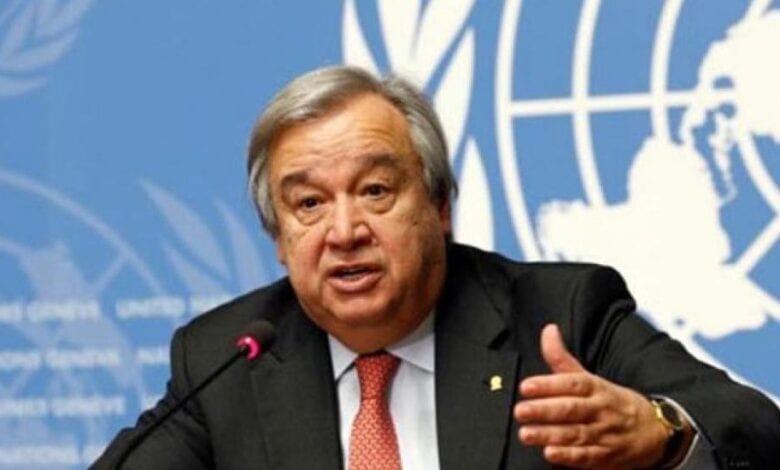
UN Secretary-General António Guterres says the United Nations is driving home the message that “digital equality” online needs to be inclusive of everybody, regardless of age.
Guterres said this in his message to mark the International Day of Older Persons on Friday, observed annually on Oct. 1.
The secretary-general said that as each individual faced the challenge of navigating the world’s growing reliance on technology, “perhaps no population could benefit more from support, than older persons.”
Guterres said these technologies could help older citizens stay connected with loved ones, attend a religious service or take a stance.
“All of these actions and many more are increasingly carried out online, especially as individuals and communities grapple with restrictions imposed, in response to the COVID-19 pandemic,” he said.
According to him, older persons have often been left more isolated during the pandemic and they are also at greater risk of suffering from the rising threat of cybercrime.
“While taking all possible measures to hold to account those unscrupulous criminals preying on older persons, we must also work to strengthen the digital skills of the elderly as an important defense, and means to improve their well-being’’, the UN Correspondent quoted him as saying.
For him, older persons are far more than a vulnerable group: “They are a source of knowledge, experience and rich contributions to our collective progress.”
The secretary-general also argued that, when older persons can access and use new technology, they will be better equipped to contribute to achieving the Sustainable Development Goals (SDGs).
He specifically asked for more inclusive policies, strategies and actions to achieve digital equality for people of all ages.
“Despite the rapid digital innovation and exponential growth, one-half of the global population remains off-line, with the starkest contrast between the most developed countries at 87 per cent and the least developed countries at 19 per cent.’’
According to him, women and older persons also experience digital inequity to a greater extent.
A survey from 2019 showed that, in the European Union, only one in five survey respondents aged 75 and older, at least occasionally engaged in Internet activities, compared to 98 per cent of those between the ages of 16 and 29.
The secretary-general said the barriers were varied, including access to digital devices or the Internet, lack of skills, experience, and self-confidence.
“Technology design also makes engagement more challenging at an older age, when some physical or cognitive impairments happen. All these issues should become more pronounced with the aging of the world’s population.’’
Globally, he said, there were 703 million persons aged 65 or over in 2019.
“Over the next three decades, the number of older persons worldwide is projected to more than double, reaching more than 1.5 billion persons in 2050.
Gov. Oyetola restates commitment to infrastructural devt in Osun
“Less developed countries – excluding the least developed grouping – will be home to more than two-thirds of the world’s older population (1.1 billion) in 2050.
“The fastest increase is projected to take place in the least developed countries, where the number of persons aged 65 or over could rise from 37 million in 2019 to 120 million in 2050’’, Guterres said.