By Andy Asemota and Ben Ogbemudia
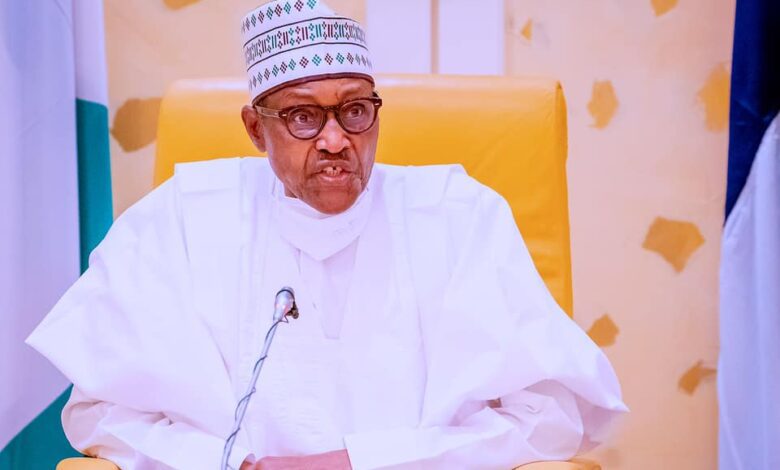
President Muhammad Buhari has requested for the Senate approval of $4.95 billion and Euro 710 million loans, including a $125million grant component as part of the 2018-2021 Federal Government External Borrowing (Rolling) Plan.
But the President’s latest request has elicited criticisms from economic experts who believe that the move was one too many within a short period.
The Senate on June 1 approved a loan request of $5.513 billion less than one week after receiving a letter from President Muhammadu Buhari.
Earlier in April, the Senate also approved a plan by President Buhari to borrow $2.7 billion from external sources to fund critical projects across Africa’s largest economy. The President had also last year asked lawmakers for permission to obtain $5.5 billion in external funding to help finance budget deficits.
According to the Debt Management Office (DMO), Nigeria’s total public debt as of December 31, 2020, was N32.915 trillion, representing a 20.13% rise from N27.40 trillion recorded in December 2019.
In a letter read by the Senate President, Ahmad Lawan, yesterday on resumption of Senate plenary, the new requests are to be financed through sovereign loans from the World Bank, French Development Agency (AFD), China-EXIM Bank, International Fund for Agricultural Development Fund (IFAD), Credit Suisse Group and Standard Chartered/China Export and Credit (SINOSURE).
Buhari’s letter read in part, “In view of other emerging needs and to ensure that all critical projects approved by FEC as of June 2021 are incorporated, I hereby forward an addendum to the proposed borrowing plan.”
Buhari seeks more external loan of $6.183 bn to fund budget
He said all the listed projects in the addendum for part of the 2018-2021 External Borrowing Plan and covered both the Federal and States Government Projects are geared towards the realization of the Nigeria Economic Sustainability Plan that cut across key sectors.
“A summary of some key projects in each of the six geopolitical zones and a summary of the expected impacts on the socio-economic development of each of the six geo-political zones attached herewith as Annex 11 and 111,” he wrote.
He equally noted that the projects and programmes in the Borrowing Plan were selected based on positive, technical, and economic evaluations and the contribution they would make to the socio-economic development of the country.