

By David Lawani
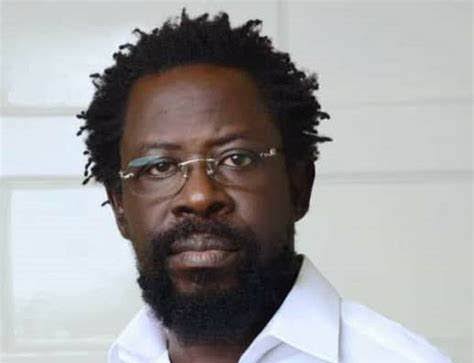
Controversial lawyer and outspoken human rights advocate, Dele Farotimi, has declared that Nigerians do not truly determine who governs them, insisting that political power in the country is routinely seized rather than legitimately won through elections.
Farotimi described Nigeria’s electoral process as largely symbolic, arguing that the system creates only the impression of democratic participation while political actors capture and control real power.
He made the remarks at the weekend while delivering a lecture at the Christian Consultative Assembly organised by the Christian Social Movement of Nigeria (CSMN).
The event, themed “2027 election: What are the options?”, brought together religious and civic leaders to reflect on Nigeria’s political future ahead of the next general elections.
The activist urged Nigerians to confront the realities of the country’s political structure before engaging in discussions about electoral choices for 2027.
According to him, the absence of the rule of law and the lack of equality before the law have weakened the very meaning of citizenship in Nigeria.
Farotimi argued that debates about electoral options often create the illusion that voters possess real political power, warning that persistently low voter turnout makes the system even easier to manipulate.
Drawing on statistics from the 2023 general elections, he noted that of nearly 90 million registered voters, only about 20 million participated.
“When you speak about elections, the dictionary will tell you that it is the formal, organised choice by vote for a position or office. But if we must be sincere with ourselves, the least we can do is to admit that we do not have elections in Nigeria,” he said.
“Citizens vote, and their votes count. But what we have is a system where people snatch power, grab it, run with it and manage it. That is not democracy. You are being asked about options as if you have a choice. The unfortunate news is that you do not have such rights as things stand today.”
Farotimi further argued that Nigeria’s governance crisis is rooted in outdated political ideas influenced by feudal traditions that entrench inequality and restrict social mobility.
Despite his criticism of the system, the lawyer maintained that peaceful transformation of the country is still possible through the ballot box if citizens unite around common national interests rather than personalities, ethnicity or religion.
He noted that Nigerians across religious divides share similar concerns, particularly in areas such as education, security and justice.
Also speaking at the gathering, the convener of the Christian Social Movement of Nigeria, Bosun Emmanuel, urged Christians to defend Nigeria’s secular constitutional framework.
He warned against attempts to introduce Christian canon law into the nation’s legal system, noting that such a move could encourage similar religious legal arrangements in other parts of the country.
“The constitution should not have any religion. The state is secular, and it must remain so. Any effort to insert canon law opens the door to Sharia or similar laws in other states,” Emmanuel said.
He also called for greater unity among Christians, noting that doctrinal differences and internal rivalries within the church have weakened their collective voice in national affairs.
Meanwhile, the spokesperson of the Middle Belt Forum, Luka Binniyat, raised concerns over what he described as the long-standing marginalisation of Christians in the Middle Belt region.
Binniyat emphasised the need for strategic political engagement ahead of the 2027 elections, urging voters to support candidates who would defend religious freedom and protect the rights of all citizens.
He warned that individuals with Islamist leanings should not be entrusted with leadership in a diverse and plural society.
“We cannot wait passively for 2027. The afflictions of Nigerians are common and urgent. We must act now to build coalitions that reflect our values and protect our interests,” he said.


